
When Should You Replace Nebulizer Tubing?
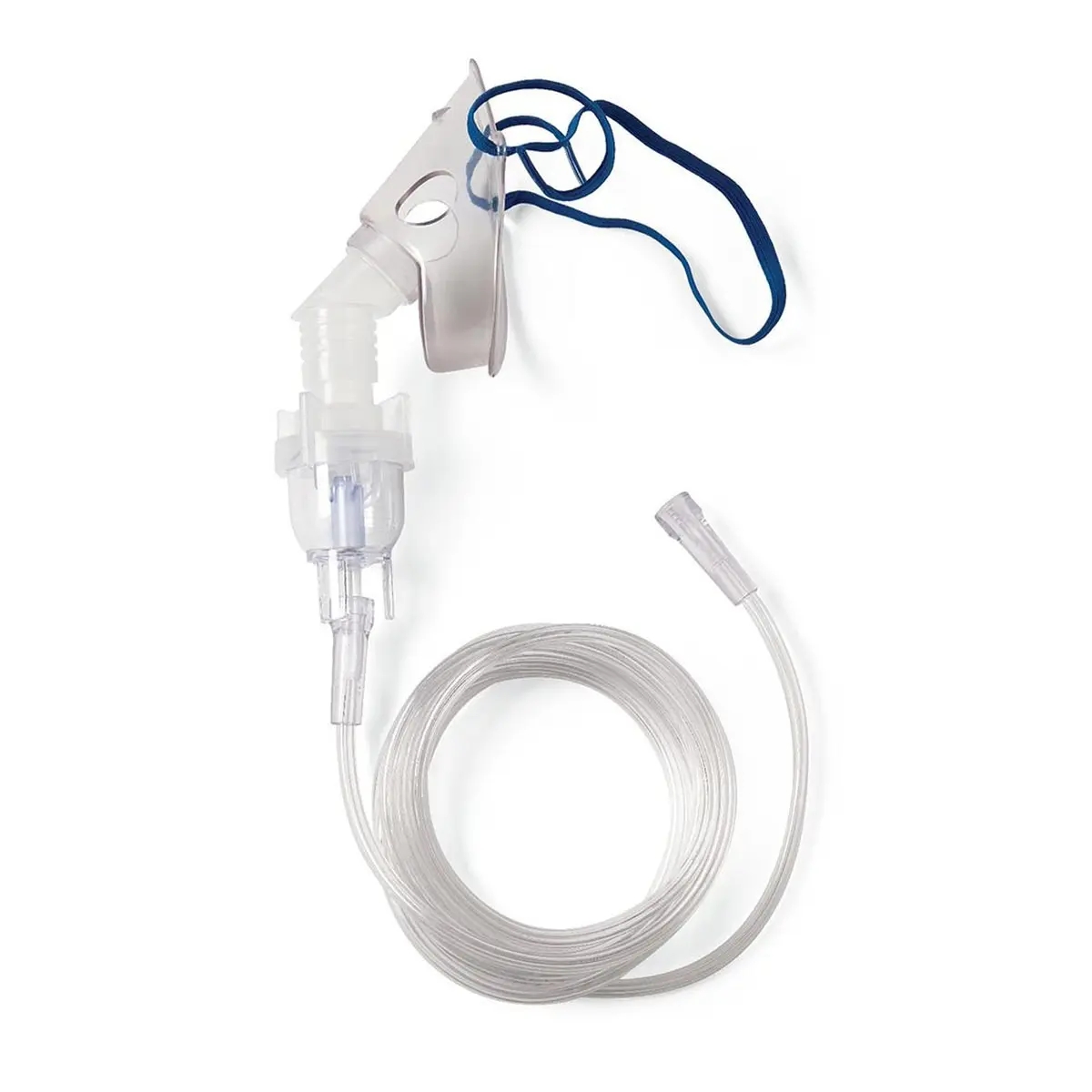
Nebulizer tubing is a small but important part of a nebulizer system. It connects the compressor to the nebulizer cup and carries the airflow needed to turn liquid medication into a mist that can be inhaled.
Because tubing is used repeatedly, patients and caregivers may eventually wonder when it should be replaced. There is not one universal replacement schedule that applies to every nebulizer. The appropriate replacement timing depends on the specific equipment, the manufacturer’s instructions, how frequently it is used, and the condition of the tubing.
Knowing what to look for can help patients avoid using damaged tubing and can make it easier to maintain a dependable nebulizer setup at home.
For patients using respiratory equipment in Brooklyn, having replacement supplies available can also help prevent interruptions when tubing becomes worn, damaged, or difficult to connect.
Why Is Nebulizer Tubing Important?
Nebulizer tubing connects the compressor to the medication cup. When the compressor operates, air travels through the tubing and into the nebulizer cup, helping create the medication mist.
The tubing needs to remain properly connected and free from damage for the nebulizer to work as intended. Manufacturer instructions commonly show the tubing connecting between the compressor outlet and nebulizer cup.
A problem with the tubing can affect airflow and may contribute to reduced nebulizer performance.
For this reason, tubing should not simply be ignored because it appears to be a basic accessory. It is part of the system that supports the prescribed treatment.
How Often Should Nebulizer Tubing Be Replaced?
There is no single replacement interval that applies to every nebulizer tubing system.
Some equipment instructions focus more on inspecting and maintaining the tubing than on replacing it at a fixed number of days or months. For example, one nebulizer manual advises checking the tubing after treatment and making sure moisture or condensation does not remain inside it.
The safest approach is to follow the instructions provided with your particular nebulizer. Different systems can have different maintenance and replacement requirements.
If the tubing is damaged, visibly deteriorated, contaminated, or no longer connecting securely, it may need to be replaced even if the expected replacement period has not yet been reached.
Signs That Nebulizer Tubing May Need Replacement
Instead of relying only on a calendar, patients should regularly inspect their tubing.
Cracks or Splits
Look closely at the tubing for cracks, cuts, or splits. Even a small opening can interfere with the airflow between the compressor and nebulizer cup.
Flexible tubing can become damaged from repeated bending, pulling, or storage.
If you notice a visible hole or split, replacement is generally appropriate rather than continuing to use damaged tubing.
Loose Connections
The tubing should connect securely to the nebulizer and compressor.
If the tubing repeatedly comes loose during treatment, inspect both ends and the connection points. Some nebulizer systems use specific connectors designed to fit their equipment. Medline’s tubing instructions, for example, describe different connectors for the nebulizer and compressor ends.
Do not force a connection that does not fit correctly. Use tubing that is compatible with the nebulizer system.
Changes in Airflow
A noticeable change in airflow may be another reason to inspect the tubing and the rest of the nebulizer setup.
Reduced output does not necessarily mean the tubing is the problem. A clogged nebulizer cup, incorrect medication amount, disconnected tubing, or another equipment issue can also affect aerosol output.
If the tubing appears damaged or disconnected, replace it as appropriate. If the problem continues, the nebulizer system should be checked according to the manufacturer’s instructions or by a qualified healthcare professional.
Moisture or Condensation Inside the Tubing
Moisture inside the tubing deserves attention.
Some nebulizer instructions specifically tell users to check the tubing after treatment and remove moisture before storage. One OMRON manual warns against storing air tubing with moisture or medication remaining inside because of the potential for bacterial contamination.
Patients should follow the cleaning and drying instructions provided for their particular equipment.
If tubing repeatedly develops moisture that cannot be properly managed, consult the equipment instructions or a healthcare professional about whether replacement is appropriate.
Visible Dirt or Contamination
Tubing that becomes visibly dirty or contaminated should be handled according to the equipment manufacturer’s instructions.
Not every type of nebulizer tubing is designed to be washed or immersed. For example, a Medline nebulizer manual states that its tubing does not need to be cleaned and recommends wiping the outside when necessary.
Because cleaning instructions vary, patients should avoid assuming that tubing can be washed in the same way as the medication cup or mouthpiece.
What Happens If You Keep Using Damaged Tubing?
Damaged tubing may prevent the nebulizer system from operating correctly.
A crack or loose connection can allow air to escape instead of moving properly through the nebulizer cup. This may contribute to reduced aerosol output or difficulty completing treatment.
A damaged or contaminated accessory can also create hygiene concerns.
Patients should not continue using visibly damaged equipment simply because a replacement has not yet been obtained. If the tubing is an essential part of the prescribed nebulizer system, arrange for an appropriate replacement.
Should Nebulizer Tubing Be Cleaned?
Cleaning requirements depend on the specific nebulizer system.
Some manufacturers provide detailed cleaning instructions for the medication cup, mouthpiece, mask, or other components while giving different instructions for the tubing.
For example, Medline’s instructions for one nebulizer system state that the tubing does not need routine cleaning but may be wiped on the outside when necessary.
The important point is not to apply one cleaning method to every nebulizer.
Always follow the instructions supplied with the equipment. Do not boil tubing or use cleaning chemicals unless the manufacturer specifically says that the material and component can be treated that way.
How Should Nebulizer Tubing Be Stored?
Proper storage can help protect tubing from unnecessary damage.
After treatment, follow the equipment instructions for disconnecting and drying the system. If moisture remains inside the tubing, follow the manufacturer’s recommended procedure for removing it before storage.
OMRON instructions for one compressor nebulizer system recommend storing the nebulizer kit and inhalation accessories in a dry, sealed bag and placing the tubing in the storage area of the carrying case.
Avoid tightly bending, crushing, or placing heavy objects on the tubing. Excessive bending can eventually damage flexible tubing.
Keeping respiratory supplies in a clean, dry location also makes it easier to notice when an accessory needs attention.
Do You Need to Replace the Entire Nebulizer?
Not necessarily.
A nebulizer system contains several components, and each component can have different maintenance or replacement requirements.
The tubing may need replacement while the compressor remains functional. Similarly, the nebulizer cup or another accessory may need attention without requiring replacement of the entire compressor.
Some manufacturers specifically provide replacement accessories separately. OMRON, for example, lists replacement accessories and filters for certain nebulizer systems.
Before replacing the entire device, determine which component is actually causing the problem.
When Should You Check Your Nebulizer Tubing?
A quick inspection should become part of normal equipment care.
Check the tubing when setting up the nebulizer, especially if the equipment has been stored for an extended period.
Look for:
- Cracks or holes
- Flattened or crushed sections
- Loose connections
- Visible contamination
- Moisture that remains after treatment
- Unusual airflow problems
- Tubing that no longer fits securely
A quick inspection takes very little time but can identify a problem before the equipment is needed for treatment.
What If the Nebulizer Is Not Producing Enough Mist?
Do not automatically assume that the tubing needs to be replaced.
Reduced mist can have several possible causes. Depending on the equipment, problems can include incorrect medication volume, disconnected tubing, a clogged nebulizer cup, or a filter that needs replacement.
First, check the manufacturer’s troubleshooting instructions.
Make sure the tubing is connected properly and inspect it for damage. Check the medication cup and other components according to the equipment instructions.
If the problem remains, contact the appropriate healthcare professional or equipment provider rather than changing multiple components without identifying the cause.
Choosing the Correct Replacement Tubing
Replacement tubing should be compatible with the nebulizer system being used.
Do not assume that every piece of nebulizer tubing is interchangeable. Connection types, tubing design, and equipment requirements can differ.
When requesting nebulizer supplies, have the nebulizer model or equipment information available. This can make it easier to identify the appropriate replacement accessory.
If you are unsure which tubing is compatible with your equipment, ask a medical supply professional or consult the manufacturer’s instructions before using a replacement.
Getting Nebulizer Supplies in Brooklyn
Patients who use nebulizers regularly may need replacement tubing, medication cups, masks, mouthpieces, filters, or other respiratory accessories over time.
For patients looking for nebulizer supplies in Brooklyn, Galaxy Medical Supply can help identify the appropriate medical supply based on the patient’s equipment and documented needs.
Keeping commonly needed replacement accessories available can be particularly helpful for patients who depend on nebulizer treatments at home.
If tubing becomes damaged or no longer connects properly, patients should not wait until the existing supply completely fails before looking for a replacement.
Frequently Asked Questions
How often should nebulizer tubing be replaced?
There is no universal replacement schedule for every nebulizer. Follow the manufacturer’s instructions and replace tubing when it is damaged, contaminated, no longer connects securely, or otherwise requires replacement.
Can I wash nebulizer tubing?
Not necessarily. Cleaning instructions vary by equipment. Some manufacturers instruct users not to routinely clean the tubing, while other components may have specific washing instructions. Always follow the instructions for your nebulizer.
How do I know if nebulizer tubing is bad?
Look for cracks, holes, loose connections, visible contamination, persistent moisture, or changes in equipment performance. A tubing problem can contribute to airflow issues, but reduced mist can also have other causes.
Can I use any tubing with my nebulizer?
No. Replacement tubing should be compatible with the specific nebulizer system. Connection types and equipment requirements can differ.
Does moisture inside nebulizer tubing mean I need new tubing?
Not necessarily. Some nebulizer instructions provide a procedure for removing moisture after treatment. However, tubing that remains wet or cannot be properly maintained should be evaluated according to the manufacturer’s instructions.
Why is my nebulizer producing less mist?
Reduced mist can have several causes, including disconnected tubing, a clogged nebulizer cup, incorrect medication volume, or a filter issue. Check the equipment’s troubleshooting instructions before assuming that tubing replacement is necessary.
Where can I get replacement nebulizer tubing in Brooklyn?
Patients looking for medical supplies in Brooklyn can contact Galaxy Medical Supply to ask about compatible nebulizer tubing and other respiratory equipment accessories.
Conclusion
Nebulizer tubing does not necessarily need to be replaced on a fixed schedule for every patient. The correct replacement timing depends on the equipment manufacturer’s instructions, how the nebulizer is used, and the condition of the tubing.
Regularly inspect the tubing for cracks, loose connections, contamination, moisture, or other signs of deterioration. If the tubing is damaged or no longer functions properly, replacing the appropriate compatible accessory can help maintain the nebulizer system.
Patients using respiratory equipment at home should also follow the cleaning, drying, storage, and maintenance instructions provided with their specific device. When there is uncertainty about a component or replacement, professional guidance is preferable to guessing.
For patients in Brooklyn who need nebulizer tubing and respiratory supplies, Galaxy Medical Supply can help with identifying the appropriate supplies and supporting ongoing medical equipment needs.