
How to Prevent Ostomy Bag Leaks
Ostomy bag leaks can be frustrating, uncomfortable, and disruptive to everyday life. A leak may happen unexpectedly at home, while sleeping, at work, or when you are away from your usual supplies. Although occasional problems can happen, many leaks are related to issues with pouch fit, skin preparation, wear time, or changes around the stoma.
Learning how to prevent ostomy bag leaks starts with understanding how your pouching system should fit and how to protect the skin around your stoma. Small changes in your routine can sometimes make a significant difference in how securely the system stays in place.
This guide explains practical steps that can help reduce leaks, protect the skin around your stoma, and make daily ostomy care more predictable. If you continue experiencing frequent leaks, speak with your healthcare provider or ostomy care specialist for individualized guidance.
Why Does an Ostomy Bag Leak?
An ostomy bag can leak when the seal around the stoma is not secure enough to keep output from getting underneath the skin barrier. The cause is not always the same for every person.
Common reasons for ostomy bag leaks include:
- The opening in the skin barrier is too large
- The pouching system does not fit properly
- The skin around the stoma is wet or oily during application
- The stoma changes size or shape
- The skin barrier is worn too long
- Creases or folds create gaps around the stoma
- The pouch becomes too full
- The barrier has been damaged or is no longer adhering properly
- Changes in body shape affect the seal
Finding the cause of repeated leaks is important. Simply changing the entire pouch more frequently may not solve the underlying problem.
1. Make Sure the Skin Barrier Fits Properly
One of the most important ways to prevent ostomy bag leaks is to make sure the opening of the skin barrier fits appropriately around the stoma.
The opening should be close enough to the stoma to help protect the surrounding skin without pressing against or injuring the stoma.
If the opening is too large, output may reach the skin underneath the barrier. This can cause irritation and weaken the adhesive seal, potentially leading to additional leakage.
If the opening is too small, it may rub against the stoma and cause discomfort or irritation.
Your stoma can also change in size, particularly during the period after surgery. Follow the measuring and fitting instructions provided by your healthcare team.
2. Keep the Skin Clean and Dry
Skin preparation is another important part of creating a secure pouch seal.
Before applying a new ostomy pouch, the skin around the stoma should be clean and dry according to your care instructions. Moisture, oils, or residue can interfere with how well the skin barrier adheres.
After cleaning the area, allow the skin to dry before applying the pouching system.
Avoid applying creams, lotions, or other products around the stoma unless they have been recommended for your ostomy care. Some products can leave a residue that makes it more difficult for the adhesive to stick.
If the skin is already irritated or damaged, ask your healthcare provider or ostomy specialist about appropriate skin care.
3. Check the Skin Around Your Stoma Regularly
Healthy skin can make it easier for an ostomy pouch to maintain a good seal.
Check the skin around the stoma whenever you change your pouch. Look for signs such as:
- Redness
- Burning
- Itching
- Tenderness
- Open areas
- Moist or weeping skin
- Repeated irritation
If output repeatedly gets underneath the skin barrier, the skin may become irritated. Once irritation develops, achieving a reliable seal can become more difficult.
Frequent skin irritation or repeated leaks should not simply be considered part of normal ostomy care. Talk with your healthcare provider or ostomy specialist if the problem continues.
4. Apply the Pouching System Carefully
Take your time when applying a new ostomy pouch. Rushing through the process can make it easier to overlook gaps, wrinkles, or moisture.
Before applying the skin barrier, make sure you have the necessary supplies within reach. Remove the old pouch according to your care instructions, clean the area, and allow the skin to dry.
When applying the new barrier, position it carefully around the stoma.
After application, gently press the barrier against the skin for the amount of time recommended for your specific system. This can help establish good contact between the adhesive and the skin.
Do not repeatedly pull the barrier away and reposition it unless your instructions specifically allow this. If the placement is consistently difficult, ask your care team for help evaluating the fit.
5. Pay Attention to Skin Folds and Body Changes
The area around a stoma is not always completely flat. Abdominal folds, scars, weight changes, movement, and changes in body shape can affect the pouch seal.
If there is a crease close to the stoma, the skin barrier may not sit evenly against the skin. This can create a pathway for output to reach underneath the barrier.
Your pouching routine may need to account for these changes. An ostomy care specialist can help evaluate how your pouch fits when you are sitting, standing, or moving.
If you have recently experienced significant changes in your body shape or your pouch has suddenly started leaking more often, consider discussing the issue with your healthcare provider.
6. Do Not Let the Pouch Become Too Full
A pouch that becomes very full can become heavier and place additional stress on the pouching system.
Empty your ostomy pouch according to the routine recommended for your system rather than waiting until it is completely full.
Regular emptying can also make daily activities more comfortable and may reduce pulling on the skin barrier.
When traveling or leaving home, plan ahead and carry the supplies you normally need. Having replacement ostomy products available can provide peace of mind if you need to change your pouch unexpectedly.
7. Use Ostomy Accessories Only When Appropriate
Some patients may use accessories such as barrier rings, protective products, or adhesive removers as part of their ostomy routine.
These products can be useful in certain situations, but not every accessory is appropriate for every person or pouching system.
For example, a barrier ring may help fill uneven areas around the stoma for some patients, while others may not need one.
If you are experiencing repeated leaks, ask your healthcare provider or ostomy specialist whether an accessory could improve the fit rather than adding multiple products on your own.
Using too many products can sometimes make the pouching process more complicated and may affect adhesion.
8. Replace Your Pouching System According to Your Care Plan
There is no single wear schedule that works for everyone. How often a pouching system should be changed depends on the type of system, your skin, your stoma, output, and the instructions provided by your healthcare team.
Do not wait for a major leak before changing the system if you are experiencing signs that the seal is failing.
Warning signs can include:
- Lifting edges
- Burning or itching beneath the barrier
- Visible leakage
- Persistent odor that is unusual for your routine
- Moisture underneath the barrier
- Skin irritation around the stoma
If you repeatedly experience leaks before your expected change time, discuss the problem with your healthcare provider. A different fit or pouching approach may be needed.
9. Keep Essential Ostomy Supplies Available
Running out of ostomy products can make an unexpected leak much more stressful.
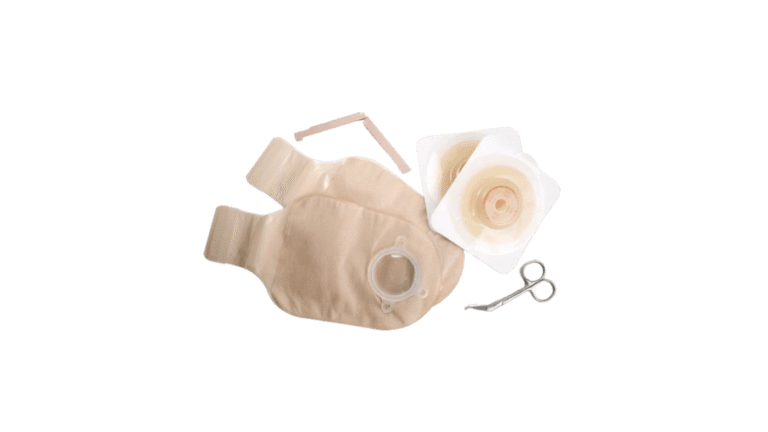
Keep enough supplies available for your normal routine and unexpected pouch changes. Depending on your individual needs, your ostomy supplies may include pouches, skin barriers, barrier rings, adhesive remover, skin protection products, and other accessories recommended by your care team.
Organize your supplies in a clean, dry location where they are easy to reach.
For patients who depend on regular ostomy supplies, planning refills before supplies run out can help prevent interruptions in care.
Galaxy Medical Supply can help patients in Brooklyn with ostomy products and supply needs, including assistance with obtaining the products required for their ongoing care.
10. Be Prepared for Leaks When You Leave Home
Even when your ostomy pouch is fitted correctly, an unexpected leak can occasionally happen.
Keeping a small emergency kit with you can make these situations easier to manage. Depending on your needs, the kit may include:
- A replacement pouch
- Skin barrier
- Cleaning supplies
- Adhesive remover
- Disposable bags for used supplies
- Any other accessories recommended for your ostomy care
You do not necessarily need to carry your entire supply collection. A small emergency kit can provide useful backup when you are traveling, working, shopping, or attending appointments.
What If Your Ostomy Bag Keeps Leaking?
Occasional leakage can happen, but frequent leaks deserve attention.
If you are changing your pouch because of leaks more often than expected, consider tracking when the leaks happen and where they begin. For example, you may notice that leaks occur primarily at night, after physical activity, or around a particular area of the skin barrier.
This information can help your healthcare provider identify possible causes.
Repeated leakage can also lead to skin irritation, which may make future pouch changes more difficult. Rather than continuing to tolerate frequent leaks, ask for professional help with your pouching system and skin care routine.
When Should You Contact an Ostomy Care Professional?
Contact your healthcare provider or ostomy care specialist if you have persistent leakage, significant skin irritation, pain, bleeding, changes in your stoma, or other concerns that are not improving.
You should also seek guidance if your pouch suddenly stops fitting the way it normally does.
Changes in stoma size, abdominal shape, output, or skin condition can affect how your ostomy system works. A professional can help determine whether your current supplies and application technique remain appropriate.
For patients in Brooklyn who need ongoing ostomy products, Galaxy Medical Supply can also assist with supply needs and insurance-related questions. Having a dependable source for your ostomy supplies can make it easier to maintain your regular care routine and avoid unnecessary gaps in supplies.
How to Prevent Ostomy Bag Leaks: Key Takeaways
Preventing ostomy bag leaks begins with a secure fit, clean and dry skin, careful pouch application, and regular attention to changes around the stoma. Keeping the pouch from becoming overly full and having essential ostomy supplies available can also make daily care easier.
If leaks are happening frequently, do not assume that you simply need to change the pouch more often. The problem may involve the fit, skin condition, application technique, or changes around the stoma.
For patients looking for ostomy care products and ongoing ostomy supplies in Brooklyn, Galaxy Medical Supply can help with supply needs and insurance-related questions. Speak with the team about the products needed for your prescribed ostomy care routine.
Frequently Asked Questions
Why does my ostomy bag keep leaking?
Frequent leaks may be caused by an improper fit, moisture on the skin, changes in the stoma or abdominal shape, pouch overfilling, skin irritation, or a failing adhesive seal. A healthcare professional can help identify the specific cause.
How can I stop my ostomy bag from leaking at night?
Make sure the pouching system is securely applied before bed and avoid allowing the pouch to become overly full. If nighttime leaks continue, discuss the problem with your ostomy care specialist because your pouching system may need to be reassessed.
Should an ostomy bag be completely full before I empty it?
It is generally better to empty the pouch before it becomes completely full. Follow the emptying routine recommended for your specific ostomy system and healthcare provider.
Can irritated skin cause ostomy bag leaks?
Yes. Irritated or damaged skin can make it more difficult for the skin barrier to adhere securely. Leakage can then worsen the irritation, creating a cycle that may require professional evaluation.
Can a barrier ring help prevent ostomy leaks?
A barrier ring may help some patients create a more secure seal around uneven areas near the stoma. Whether one is appropriate depends on your individual pouching system and skin condition. Ask your ostomy care professional before changing your routine.
How often should I change my ostomy bag?
The appropriate change schedule varies from person to person and depends on the pouching system, skin condition, output, and other factors. Follow your healthcare provider’s instructions rather than relying on a universal schedule.
Where can I get ostomy supplies in Brooklyn?
Galaxy Medical Supply provides ostomy supply support for patients in Brooklyn and nearby areas. If you need ostomy products, replacement supplies, or help with insurance-related questions, contact Galaxy Medical Supply to discuss your needs.