
How to Get Insurance to Pay for At-Home Wound Care Supplies in Brooklyn
At-home wound care is something many patients in Brooklyn depend on after surgery, injury, or long-term health conditions like diabetes or poor circulation. While treating wounds at home is often more comfortable and practical, it also requires a steady and uninterrupted supply of medical products.
The main concern most patients have is not whether wound care supplies exist, but whether insurance will actually cover them. In reality, insurance does cover many wound care supplies but only under specific medical and documentation conditions.
Understanding how this process works can make the difference between smooth monthly supply delivery and frustrating delays that interrupt healing.
Why at-home wound care is considered medically necessary
Wound care is classified as medically necessary when the wound cannot heal properly without continuous treatment. These are not minor injuries they are conditions that require ongoing dressing changes, protection, and monitoring.
In Brooklyn, common cases requiring at-home wound care include patients recovering from surgery, individuals with diabetes-related foot wounds, elderly patients with pressure injuries, and people with chronic wounds that do not heal normally.
Each of these conditions requires consistent supplies because wound healing depends on maintaining a clean, protected environment over time. Without proper supplies, wounds can worsen, become infected, or take significantly longer to heal.
This is why insurance often provides coverage but only when proper medical documentation is submitted.
How insurance evaluates wound care coverage
Insurance companies do not approve wound care supplies automatically. Instead, they review whether the request meets medical necessity guidelines.
This evaluation usually focuses on three key areas:
First, the diagnosis must clearly show a condition that requires ongoing wound care. Second, the doctor must prescribe the correct type of supplies needed for treatment. Third, the requested quantity must match the expected frequency of wound care.
If any of these areas are unclear or incomplete, insurance may delay approval or request additional documentation before proceeding.
This is one of the most common reasons patients in Brooklyn experience delays in receiving supplies.
Step-by-step process for getting insurance approval
The process of getting wound care supplies covered usually follows a structured sequence, even though it may feel complicated at first.
It begins with a doctor diagnosing the wound and determining the treatment plan. This includes identifying how often dressings need to be changed and what type of supplies are required for proper healing.
Next, the doctor provides a prescription that lists the specific wound care items needed. This prescription must match the diagnosis exactly, otherwise insurance may flag inconsistencies.
After this, insurance reviews the documentation and determines whether the supplies are eligible for coverage under the patient’s plan. In some cases, additional records may be requested to confirm medical necessity.
Once approved, supplies can be provided on a recurring basis, usually monthly, depending on the treatment plan.
Common wound care supplies covered by insurance
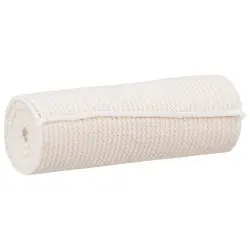
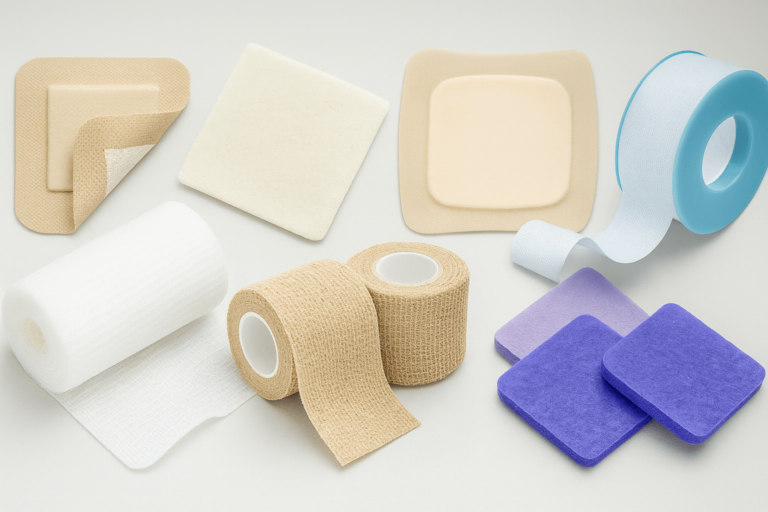
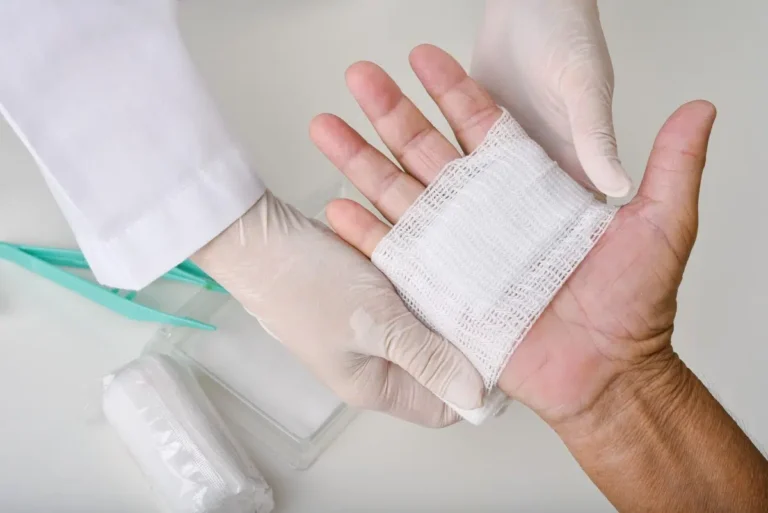
Most insurance plans cover basic wound care supplies when they are medically necessary. These include sterile gauze, which is used for cleaning wounds and absorbing drainage during dressing changes.
Non-adherent dressings are commonly included because they prevent sticking to the wound surface, which reduces pain and tissue damage during dressing changes.
Medical tape is also typically covered because it is required to keep dressings in place securely without causing irritation.
Skin barrier products may also be included, especially for patients who require long-term wound care and need protection for surrounding healthy skin.
Saline solution and wound cleansing materials may also be covered in some cases when prescribed.
These supplies form the foundation of most at-home wound care plans approved by insurance.
Advanced wound care and stricter approval rules
Some patients require advanced wound care products due to the severity or complexity of their wounds. These may include hydrocolloid dressings, foam dressings, alginate products, or hydrogel-based materials.
These products are typically used for deeper wounds, heavily draining wounds, diabetic ulcers, or pressure injuries that are slow to heal.
Insurance can cover these supplies, but approval is more strict. Doctors must clearly explain why basic wound care products are not sufficient. Without this justification, insurance may limit coverage to standard supplies only.
This is why communication between the doctor and insurance provider is extremely important in advanced cases.
Why delays happen in real patient situations
Even when a patient qualifies for coverage, delays are common in the approval process. One major cause is missing or incomplete documentation from the physician.
Another issue occurs when the prescription does not align perfectly with insurance guidelines. Even small differences in wording or quantity requests can trigger delays.
Communication gaps between doctor offices, insurance companies, and medical suppliers can also slow down the process significantly.
For patients who need daily wound care, even short delays can cause supply shortages, which may interrupt healing and increase the risk of infection.
Why consistent supply delivery is critical
Wound care is not something that can be paused without consequences. If supplies run out, even for a few days, wounds may become exposed, infected, or slower to heal.
Most insurance-approved wound care patients receive monthly supply shipments. However, this system only works properly when approvals and refills are managed correctly.
Without proper coordination, patients may experience gaps between shipments, which can negatively affect recovery outcomes.
This makes supply management just as important as the treatment itself.
How patients can avoid insurance delays
There are several practical steps patients can take to reduce delays in getting wound care supplies approved.
The first is ensuring that the doctor’s prescription is complete and matches the wound condition exactly. The second is confirming insurance coverage before ordering supplies to avoid unexpected denials.
It also helps when patients work with a supplier that handles insurance verification directly instead of managing the process on their own.
Finally, setting up recurring monthly supply schedules ensures that patients do not run out of essential items during treatment.
How Galaxy Medical Supply supports Brooklyn patients
Galaxy Medical Supply works with patients throughout the entire process of getting at-home wound care supplies covered by insurance.
The first step is verifying insurance eligibility to confirm what supplies are covered under the patient’s plan. This is important because coverage rules vary significantly between insurance providers.
Once eligibility is confirmed, the correct wound care supplies are matched to the doctor’s prescription and treatment plan.
If documentation is incomplete, coordination is handled directly with healthcare providers to avoid delays in approval.
A key part of the service is home delivery in Brooklyn, ensuring patients receive their supplies on time without interruption.
Ongoing refill coordination is also managed so patients do not have to repeatedly go through the approval process each month.
Brooklyn patient reality and why local support matters
Local support plays an important role in reducing delays and improving communication. Brooklyn patients often benefit from faster insurance verification, quicker delivery times, and better coordination with nearby healthcare providers.
When dealing with wound care, speed and consistency are critical. Local support helps ensure that patients receive supplies without unnecessary waiting periods.
Frequently Asked Questions
What is required for insurance to cover wound care supplies?
A doctor’s prescription, diagnosis, and treatment plan are required.
Does insurance cover all wound care supplies?
No, coverage depends on the insurance plan and medical necessity.
Why is approval sometimes delayed?
Most delays are caused by missing documentation or insurance verification issues.
Can wound care supplies be delivered in Brooklyn?
Yes, delivery is available for approved patients.
Do I need a new prescription every month?
Not always, but insurance may require periodic updates.
Getting insurance approval for at-home wound care supplies in Brooklyn is absolutely possible, but it depends on accurate documentation, proper medical justification, and smooth coordination between all parties involved.
When handled correctly, patients can receive continuous wound care supplies without interruption and focus entirely on recovery at home.
For patients who need help navigating insurance approval and home delivery, Galaxy Medical Supply provides complete support from verification to ongoing supply management.