
Essential Ostomy Supplies List for New Patients in Brooklyn
For a patient who has recently undergone ostomy surgery, the first few weeks can feel overwhelming. Life changes quickly, and daily routines that once felt simple now require planning, care, and the right medical supplies. In Brooklyn, many new ostomy patients are discharged from hospitals with basic instructions, but very little practical understanding of what supplies they will actually need long term.
Ostomy care is not based on a single product. It is a complete system of supplies that must work together to ensure hygiene, prevent leakage, protect the skin, and maintain comfort throughout the day. Without the correct setup, patients often experience repeated leaks, skin irritation, or anxiety about managing daily life.
This guide explains in practical terms what supplies are truly essential, how they are used, and how patients in Brooklyn typically receive them through insurance and home delivery systems.
Understanding ostomy care in real life
An ostomy is a surgical procedure that creates an opening in the abdomen called a stoma. This stoma allows waste to leave the body when the normal digestive or urinary system cannot function properly due to illness, injury, or surgery.
Because the body no longer stores or controls waste in the usual way, an external pouching system is required. This system must remain securely attached at all times and must be changed regularly based on output and skin condition.
The challenge is that no two patients are exactly the same. Stoma size, shape, healing stage, and output consistency can vary significantly. This is why ostomy care requires customized supplies and often adjustment during the first few months after surgery.
The core ostomy system every patient needs
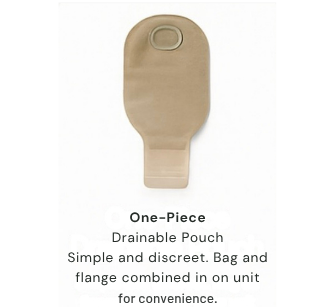
The foundation of all ostomy care is the pouching system. This is the bag that collects waste from the stoma. Pouches come in different types, including one-piece systems where everything is attached, and two-piece systems where the pouch connects to a separate base.
The second essential component is the skin barrier. This is a protective adhesive wafer that sticks to the skin around the stoma. It creates a seal that protects the skin from exposure to waste and holds the pouch in place.
A third important item is the barrier ring. This is a flexible ring placed between the skin barrier and the stoma. It helps fill uneven skin areas and improves the seal, reducing the risk of leakage.
These three components work together as a complete system. If one part is not fitted correctly, the entire system can fail, which is why proper selection is critical.
Skin protection and maintenance supplies
Skin care is one of the most important parts of ostomy management. The skin around the stoma is exposed daily to adhesives, moisture, and output, which makes it highly sensitive.
Adhesive remover wipes are commonly used when changing the pouch system. These allow the barrier to be removed gently without damaging the skin. This helps reduce pain and prevents long-term irritation or breakdown.
Barrier wipes or protective skin films are applied before attaching a new system. These create a thin protective layer that reduces irritation and helps improve adhesion.
Some patients also use skin powders to manage moisture or minor irritation. These are often used in early recovery when the skin is still adjusting.
Without proper skin care, patients may experience recurring issues that affect how well their pouch system works.
Additional supplies that improve daily comfort
Beyond the essential system, many patients use additional products that improve comfort and confidence in daily life.
Odor control drops are often placed inside the pouch to reduce smell and help patients feel more comfortable in social situations.
Support belts or wraps help secure the pouch system during movement, especially for active patients or those returning to work.
Closure systems such as clips or drainable ends are used depending on the type of pouch selected.
While these items are not always medically required, they play an important role in improving quality of life.
Why backup supplies are critical
One of the most important lessons for new patients is the need to keep backup supplies at home. Ostomy systems must be changed regularly, and unexpected issues such as leaks or adhesive failure can occur at any time.
This is especially common during the early healing phase when the stoma may change shape or output levels may fluctuate.
Having extra pouches, barriers, and adhesive products ensures patients are never left without essential supplies during an emergency situation.
Insurance coverage for ostomy supplies in Brooklyn
Most insurance plans cover ostomy supplies when they are prescribed by a physician and documented as medically necessary. Coverage typically includes pouches, skin barriers, barrier rings, and related accessories used for daily care.
In New York, Medicaid programs are generally more consistent in covering ostomy supplies compared to private insurance, which may have stricter limits or prior authorization requirements.
The number of supplies approved per month depends on the doctor’s prescription and expected usage patterns.
Once approved, supplies are usually delivered on a recurring monthly schedule rather than one-time shipments.
Common challenges new patients face
New ostomy patients often struggle with uncertainty about product selection, especially during the early weeks after surgery. It can take time to find the correct fit and system.
Changes in stoma size during healing can also require adjustments to barrier type or pouch style.
Insurance delays may occur if prescriptions are incomplete or if documentation does not clearly match product requirements.
These challenges make structured support extremely important during recovery.
How ongoing supply systems work
Ostomy supplies are typically managed through monthly refill cycles. Once insurance approves coverage, patients receive recurring shipments based on their prescription.
If medical needs change, the system is adjusted accordingly, ensuring the patient always receives the correct supplies.
This eliminates the need for manual reordering and reduces the risk of supply interruption.
How Galaxy Medical Supply supports Brooklyn patients
Galaxy Medical Supply assists patients by handling insurance verification, coordinating prescriptions, and ensuring correct product matching based on medical needs.
Patients in Brooklyn receive scheduled monthly home delivery, ensuring uninterrupted access to essential ostomy supplies.
If documentation is incomplete, coordination with healthcare providers is handled directly to prevent delays in approval.
This allows patients to focus on recovery rather than managing supplies.
Frequently Asked Questions
What are essential ostomy supplies?
Pouches, skin barriers, and barrier rings.
Are ostomy supplies covered by insurance?
Yes, when medically necessary and prescribed.
How often are supplies replaced?
It depends on product type and usage.
Can supplies be delivered in Brooklyn?
Yes.
Do new patients need help choosing products?
Yes, especially during early recovery.
Conclusion
Ostomy care requires consistency, proper products, and structured support. For new patients in Brooklyn, understanding the essential supply system is key to recovery and daily stability.
Galaxy Medical Supply provides full insurance coordination and monthly delivery support to ensure patients always have what they need.