
Requirements for Insurance Coverage of Incontinence Supplies in Brooklyn
Incontinence supplies such as adult briefs, protective underwear, pads, and liners are essential for many patients living in Brooklyn. These products support hygiene, skin health, mobility, and dignity for individuals who experience bladder or bowel control issues due to medical conditions.
While many patients assume these supplies are automatically covered by insurance, the reality is more complex. Insurance coverage depends on strict medical requirements, documentation rules, and approval processes that must be completed correctly before monthly supplies can begin.
Understanding these requirements helps patients avoid delays, prevent claim denials, and ensure continuous access to essential supplies.
Why insurance requires strict eligibility rules
Incontinence supplies are considered recurring medical-use products. Unlike one-time treatments, they are used daily and require ongoing distribution.
Because of this, insurance companies must confirm that the need is medically justified and not temporary or non-medical.
The goal of these requirements is to ensure that only patients with verified medical conditions receive coverage for long-term supply needs.
Without proper validation, insurance providers cannot approve recurring shipments.
Medical conditions that qualify for coverage
Insurance typically approves incontinence supplies when there is a documented medical condition affecting bladder or bowel control.
One of the most common categories includes neurological conditions. These include stroke-related complications, spinal cord injuries, multiple sclerosis, and Parkinson’s disease. These conditions can interfere with nerve signals that control bladder function.
Another qualifying category includes age-related functional decline. Many elderly patients experience reduced bladder control due to muscle weakness or neurological changes.
Post-surgical recovery is another common qualifying situation. Patients recovering from prostate surgery, pelvic surgery, or abdominal procedures may temporarily require incontinence supplies.
Mobility limitations are also considered. Patients who cannot reach a bathroom in time due to physical limitations may qualify for coverage.
Each of these conditions must be properly documented by a healthcare provider to be considered for insurance approval.
Doctor’s prescription requirements
A doctor’s prescription is the most important requirement for insurance approval.
The prescription must clearly identify the patient’s diagnosis and confirm that incontinence supplies are medically necessary. It must also specify the exact product type required, such as adult briefs or protective underwear.
In addition, the prescription must include a monthly usage estimate. Insurance companies rely on this to determine how many supplies can be approved.
If the prescription lacks clarity or does not match insurance guidelines, delays or denials are likely.
This is one of the most common issues patients face when trying to get coverage.
Diagnosis documentation requirements
Insurance companies require a formal diagnosis code from the physician.
This code confirms the medical reason for incontinence and establishes whether the condition is temporary or chronic.
The diagnosis must align with the prescription and treatment plan. If there is a mismatch between documents, insurance providers may request clarification before approving coverage.
Without a valid diagnosis code, insurance claims cannot move forward.
Treatment plan requirements
In many cases, insurance providers also require a treatment plan.
This document explains how long the patient is expected to need incontinence supplies and how often they should be used each day.
The treatment plan helps justify ongoing monthly coverage. It ensures that supply quantities align with medical needs rather than assumptions.
For long-term patients, this document plays a critical role in maintaining continuous approval.
Types of incontinence supplies typically covered
When insurance approves coverage, it generally includes a range of incontinence products based on medical need.
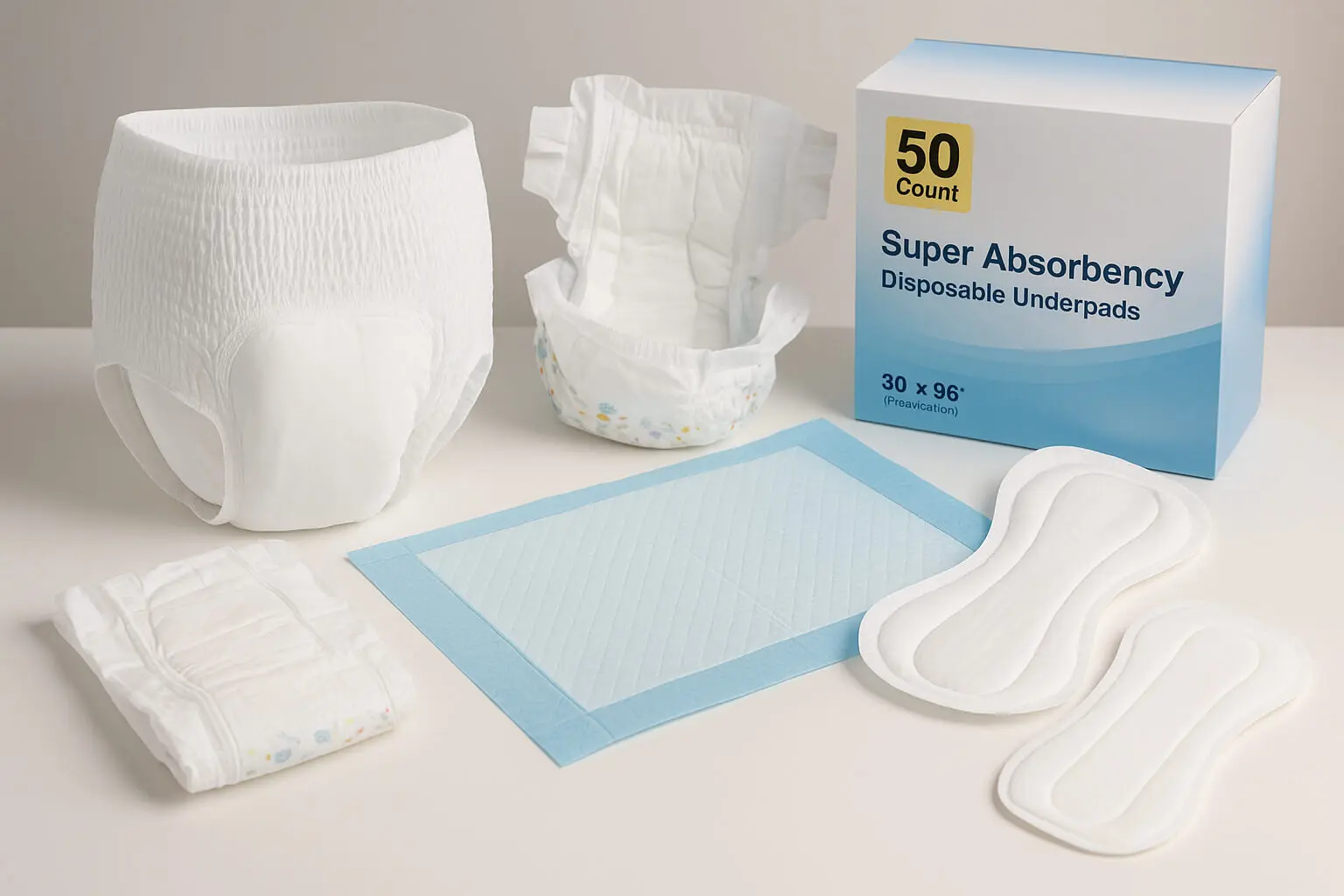
Adult briefs are typically approved for patients with heavy or full incontinence. These provide maximum absorbency and are used in cases where full protection is required.
Protective underwear or pull-ups are approved for moderate incontinence. These are designed for patients who are more mobile and need discreet protection.
Pads and liners are often approved for light incontinence or supplemental protection.
The exact combination depends on the doctor’s prescription and insurance guidelines.
Monthly quantity limits and restrictions
Insurance plans often set monthly limits on the number of supplies a patient can receive.
These limits are based on medical necessity guidelines and usage estimates provided by the physician.
If a patient requires more supplies than standard limits, additional documentation may be required to justify the need.
Understanding these limits is important to avoid unexpected shortages or delays in monthly delivery.
Common reasons for insurance delays in Brooklyn
Many patients in Brooklyn experience delays when applying for incontinence supply coverage.
One of the most common issues is incomplete prescriptions. If product type or quantity is not clearly specified, insurance providers will not process the request.
Another issue is missing diagnosis documentation. Without a valid diagnosis code, approval cannot move forward.
In some cases, delays occur due to mismatched documentation between doctor, supplier, and insurance provider.
Communication gaps between these parties can significantly slow down approval timelines.
Why continuity of supply is critical
Incontinence supplies are used every day, which makes uninterrupted access extremely important.
Even short delays can lead to hygiene issues, skin irritation, emotional distress, and reduced mobility.
For patients with chronic conditions, consistency is not optional—it is necessary for maintaining health and dignity.
This is why insurance systems are designed to provide recurring monthly coverage when properly approved.
How patients can avoid approval problems
Patients can reduce delays by ensuring prescriptions are complete and clearly written.
It is also important to confirm insurance eligibility before starting the supply process.
Working with a supplier that handles insurance verification directly can significantly reduce administrative delays.
Patients should also ensure that their doctor provides updated documentation when required by insurance.
How Galaxy Medical Supply supports Brooklyn patients
Galaxy Medical Supply assists patients throughout the entire insurance process for incontinence supplies.
The process begins with verifying insurance coverage to determine eligibility under the patient’s specific plan.
Once eligibility is confirmed, the correct products are matched to the doctor’s prescription and medical condition.
If documentation is incomplete, coordination is handled directly with healthcare providers to avoid delays in approval.
Patients also receive scheduled monthly home delivery in Brooklyn, ensuring continuous access to essential supplies without interruption.
Ongoing refill management is included so patients do not need to repeatedly restart the approval process.
Why local Brooklyn support improves outcomes
Local providers offer faster communication, quicker verification, and more efficient delivery schedules.
In Brooklyn, where insurance processing and healthcare coordination can be complex, local support reduces delays and improves reliability.
For long-term patients, this consistency plays a major role in maintaining quality of care.
Frequently Asked Questions
What documents are required for coverage?
Prescription, diagnosis code, and treatment plan are required.
Does insurance cover all incontinence supplies?
No, coverage depends on medical necessity and plan type.
How many supplies are approved per month?
It depends on doctor recommendation and insurance limits.
Can supplies be delivered in Brooklyn?
Yes, delivery is available for approved patients.
Do insurance approvals expire?
Some plans require periodic reauthorization.
Insurance coverage for incontinence supplies in Brooklyn depends on proper documentation, medical diagnosis, and insurance plan rules.
When the process is correctly managed, patients can receive consistent monthly supplies without interruption and maintain comfort, hygiene, and dignity in daily life.
For full assistance with insurance verification, documentation, and delivery coordination, Galaxy Medical Supply provides complete end-to-end support.