What Wound Care Supplies Are Covered by Insurance in Brooklyn?
Wound care is something many patients in Brooklyn need after surgery, injury, or chronic conditions like diabetes. When a wound requires ongoing treatment at home, the cost of supplies can quickly become a concern.
Most insurance plans do cover wound care supplies, but only when they are medically necessary and properly prescribed by a doctor. The challenge is not whether coverage exists, but understanding what qualifies and how to avoid delays.
In many cases, patients are surprised to learn that basic wound care supplies are already included in their insurance benefits. The key is knowing what is approved and how the process works.
Why insurance covers wound care supplies
Insurance companies consider wound care supplies essential when a patient has a condition that requires continuous treatment. These supplies are not treated as optional items, they are part of medical recovery.
Common conditions that qualify for coverage include post-surgical wounds, pressure injuries, diabetic ulcers, and wounds that do not heal normally. In these cases, consistent wound care is necessary to prevent infection and support healing.
Without proper supplies, recovery can slow down or lead to complications, which is why insurance often supports coverage when documentation is complete.
Common wound care supplies covered by insurance
Most insurance plans in Brooklyn include coverage for basic wound care items when prescribed correctly. These supplies are used daily or weekly depending on the wound type.
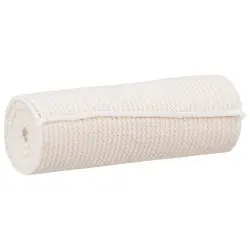
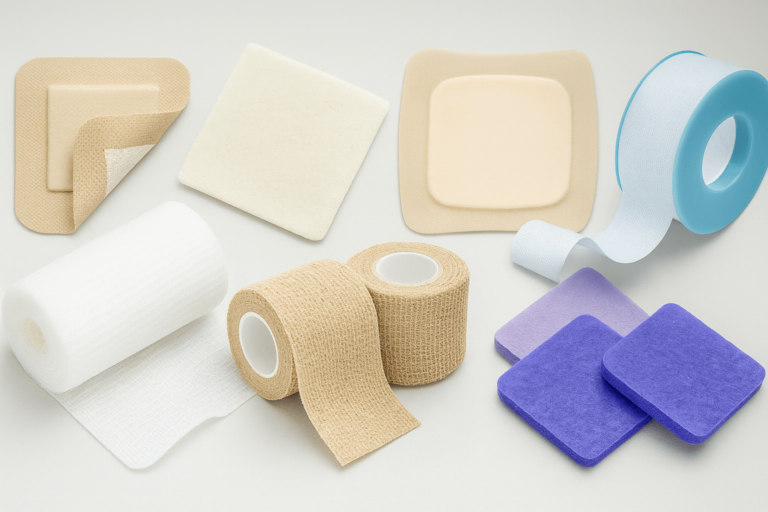
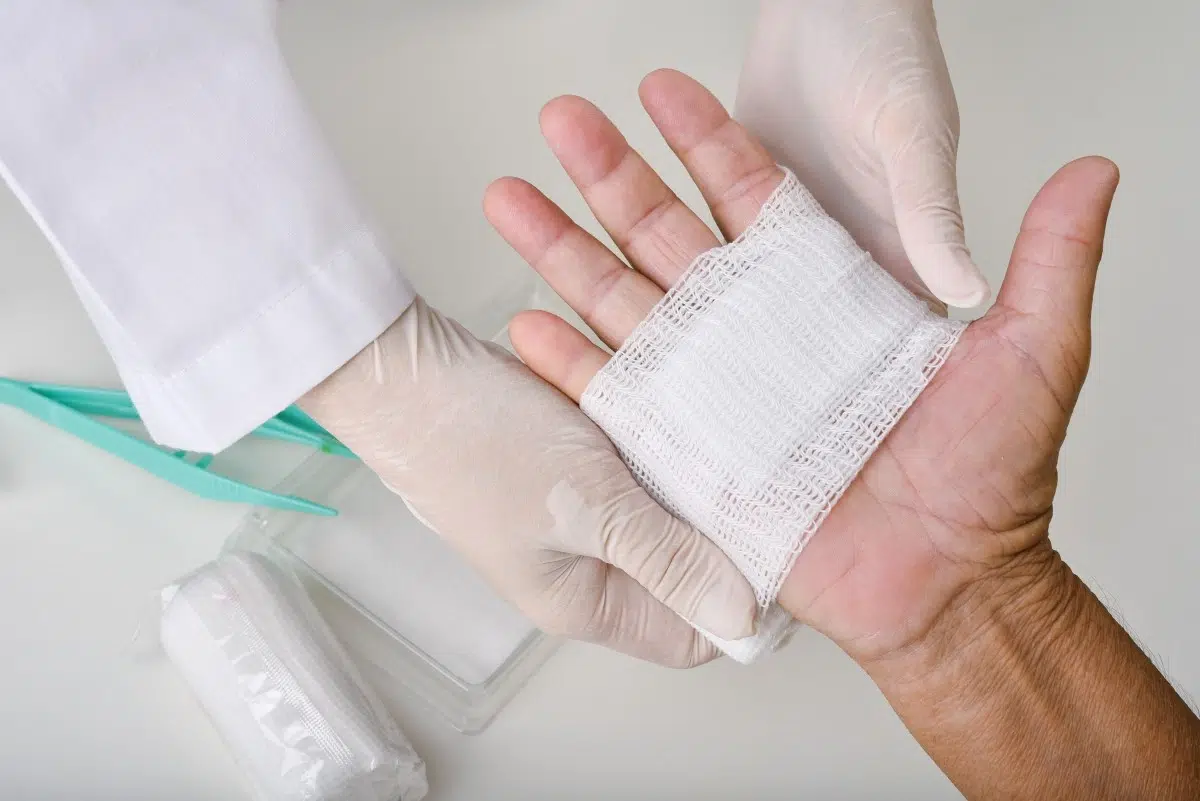
Sterile gauze is one of the most commonly covered items. It is used to clean wounds, absorb drainage, and protect the area from infection. Medical bandages are also typically covered because they help secure dressings and keep wounds protected.
Non-adherent dressings are another common item. These are designed so they do not stick to the wound, making dressing changes less painful and reducing damage to healing tissue. Medical tape is usually included as well since it is needed to secure dressings safely.
Skin protection products are often part of approved care, especially for patients who require long-term wound management. These products help protect healthy skin around the wound from irritation caused by moisture or adhesives.
Advanced wound care supplies and when they are covered
Some patients require more advanced wound care products, especially when healing is slow or complications are present. These supplies are not automatically approved in every case, but insurance may cover them when medical necessity is clearly documented.
Advanced supplies may include hydrocolloid dressings, foam dressings, alginate dressings, and hydrogel-based products. These are typically used for deeper wounds, pressure ulcers, diabetic wounds, or heavily draining injuries.
Insurance approval for these products usually depends on a doctor clearly explaining why standard dressings are not enough. Without this explanation, coverage may be limited to basic supplies only.
Why documentation is the most important factor
Even when a patient clearly needs wound care supplies, insurance approval depends heavily on documentation. This is where many delays happen.
A doctor must provide a prescription that clearly states the wound condition and the supplies required. Along with this, a diagnosis code is needed to confirm the medical reason for treatment.
Insurance companies also look for a treatment plan that explains how often dressings are changed and how long care is expected to continue. In some cases, they may also request monthly quantity estimates to control supply usage.
If any part of this documentation is missing or unclear, approval can be delayed or denied.
Common problems patients face in Brooklyn
Many patients in Brooklyn experience similar challenges when trying to get wound care supplies through insurance.
One common issue is delayed approval due to incomplete paperwork. Another is confusion about what supplies are actually covered under their plan. Some patients also run into problems when prescriptions do not match insurance requirements exactly.
In other cases, patients simply run out of supplies while waiting for insurance processing or refill approval. These gaps can disrupt healing and create unnecessary stress during recovery.
How to avoid delays in wound care supplies
The best way to avoid interruptions in care is to ensure everything is properly set up from the beginning.
Insurance coverage should be checked before supplies are ordered. The doctor’s prescription should clearly match the wound condition and include correct details. It also helps to work with a supplier that handles insurance coordination directly rather than relying on the patient to manage paperwork alone.
Setting up regular refills is also important for patients who require long-term wound care, especially in chronic conditions.
How Galaxy Medical Supply helps patients in Brooklyn
Galaxy Medical Supply assists patients throughout the entire process of getting wound care supplies covered by insurance.
The process usually begins with verifying insurance eligibility to confirm what supplies are covered under the patient’s plan. Once coverage is confirmed, the correct wound care products are matched based on the doctor’s prescription.
They also coordinate directly with healthcare providers when additional documentation is needed, which helps prevent delays in approval.
For many patients, one of the most important benefits is home delivery in Brooklyn. This ensures that supplies arrive on time without requiring repeated trips or delays in treatment.
Ongoing support is also provided for monthly refills so patients do not run out of essential wound care items during recovery.
Frequently Asked Questions
What wound care supplies are usually covered by insurance?
Most insurance plans cover gauze, bandages, wound dressings, medical tape, and skin protection products when they are medically necessary.
Do I need a prescription for wound care supplies?
Yes, insurance requires a doctor’s prescription along with a diagnosis to approve coverage.
Are advanced wound care products covered?
They may be covered if a doctor documents that basic supplies are not sufficient for healing.
Why do insurance approvals get delayed?
Most delays happen due to missing documentation, incorrect prescriptions, or insurance verification issues.
Can wound care supplies be delivered in Brooklyn?
Yes, home delivery is available for eligible patients.
Getting wound care supplies through insurance does not have to be complicated, but it does require the right documentation and proper coordination. When everything is set up correctly, patients can receive consistent supplies without interruption and focus on healing at home.