Different Types of Wound Dressings and When They’re Used
Choosing the right wound dressing is an important part of the healing process. Whether you’re recovering from surgery, managing a diabetic ulcer, treating a pressure injury, or caring for a minor wound at home, the appropriate dressing helps protect the wound, reduce the risk of infection, and create an environment that promotes healing.
With so many wound care products available, it’s easy to feel overwhelmed. Gauze, foam dressings, hydrocolloids, alginates, and antimicrobial dressings all serve different purposes, and using the wrong one may delay healing or require more frequent dressing changes.
This guide explains the most common types of wound dressings, when healthcare providers typically recommend them, and why selecting the right product is essential. If you’re looking for wound care products in Brooklyn, understanding these options can help you have informed discussions with your healthcare provider and ensure you receive the supplies needed for effective wound management.
Why Choosing the Right Wound Dressing Matters
A wound dressing does much more than simply cover an injury. It protects the wound from contaminants, manages drainage, supports the body’s natural healing process, and helps minimize discomfort during recovery.
The best dressing depends on several factors, including:
- The type of wound
- The size and depth of the wound
- The amount of drainage
- Whether there are signs of infection
- The condition of the surrounding skin
- Your overall health and medical history
Because every wound heals differently, healthcare providers select dressings based on your individual needs rather than using the same product for every patient.
Common Types of Wound Dressings
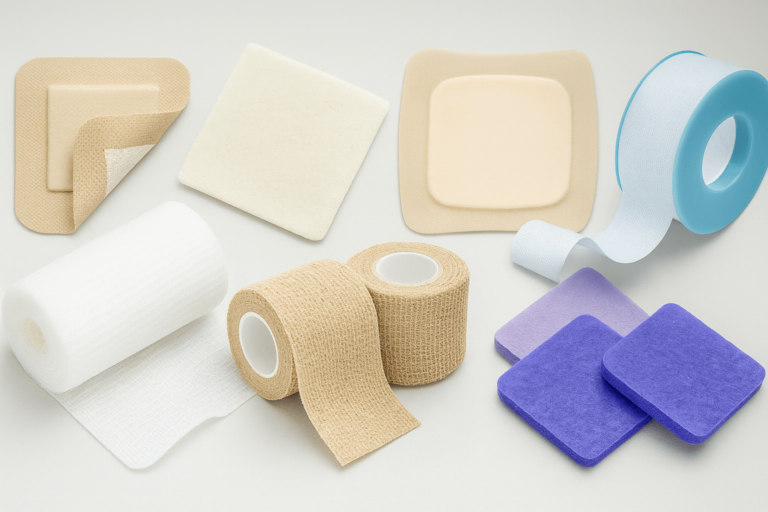
Modern wound care includes a variety of dressings designed for different stages of healing.
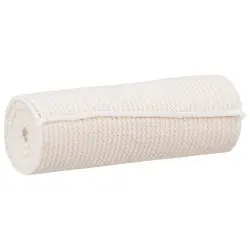
Gauze Dressings
Gauze is one of the most commonly used wound dressings and is suitable for many types of wounds.
Healthcare providers may recommend gauze for:
- Surgical incisions
- Minor cuts
- Abrasions
- Wounds requiring frequent dressing changes
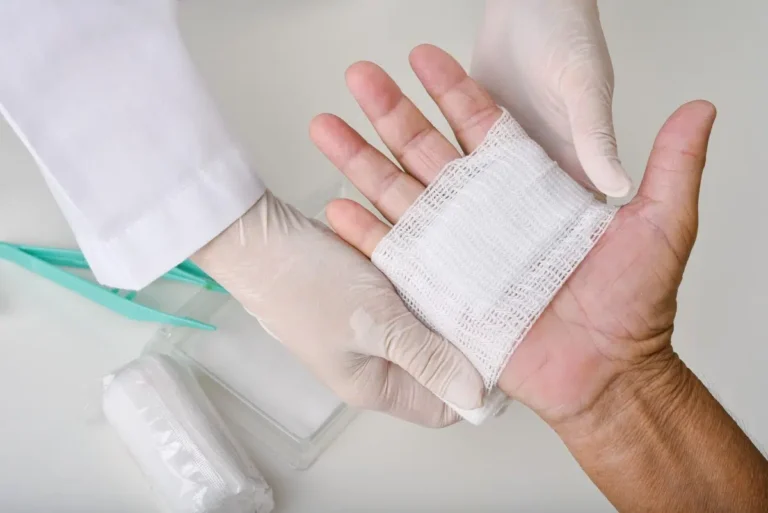
Gauze can be used to absorb drainage, protect the wound, and secure other specialized dressings in place.
However, because it may stick to the wound if it dries out, gauze often needs to be changed more frequently than advanced wound dressings.
Foam Dressings
Foam dressings are designed to absorb moderate to heavy wound drainage while maintaining a moist healing environment.
These dressings are commonly used for:
- Pressure injuries
- Leg ulcers
- Diabetic foot ulcers
- Surgical wounds with drainage
Foam dressings also provide cushioning, helping protect wounds located on areas exposed to pressure or friction.
Hydrocolloid Dressings
Hydrocolloid dressings contain materials that form a gel when they come into contact with wound fluid.
They are often recommended for:
- Pressure ulcers
- Minor burns
- Shallow wounds
- Wounds with light to moderate drainage
Because hydrocolloid dressings stay in place for several days, they reduce the need for frequent dressing changes and help protect the wound from bacteria and moisture.
They are generally not appropriate for infected wounds unless directed by a healthcare provider.
Alginate Dressings
Alginate dressings are made from natural seaweed fibers and are highly absorbent.
Healthcare providers commonly use them for:
- Deep wounds
- Wounds with heavy drainage
- Surgical wounds
- Cavity wounds
When alginate comes into contact with wound fluid, it forms a soft gel that helps maintain moisture while absorbing excess drainage.
Because these dressings require a secondary covering, they are usually combined with another dressing to keep them securely in place.
Hydrogel Dressings
Hydrogel dressings provide moisture to dry wounds.
They may be recommended for:
- Dry wounds
- Burns
- Painful wounds
- Wounds with minimal drainage
Keeping the wound hydrated can support the removal of dead tissue while encouraging healthy tissue growth.
Many patients also find hydrogel dressings soothing because they help cool the wound surface.
Transparent Film Dressings
Transparent film dressings are thin, flexible coverings that protect wounds while allowing healthcare providers to monitor healing without removing the dressing.
These dressings are commonly used for:
- Minor wounds
- IV insertion sites
- Superficial burns
- Healing surgical incisions
Because they are waterproof, transparent films help keep bacteria and moisture out while allowing patients to shower more easily.
They are not intended for wounds with heavy drainage.
Antimicrobial Dressings
When there is an increased risk of infection, healthcare providers may recommend antimicrobial wound dressings.
These products often contain ingredients such as:
- Silver
- Iodine
- Polyhexamethylene biguanide (PHMB)
Antimicrobial dressings help reduce bacterial growth while supporting wound healing.
They should be used according to your healthcare provider’s recommendations, as not every wound requires antimicrobial treatment.
Collagen Dressings
Collagen plays an important role in tissue repair.
Collagen dressings are commonly used for wounds that heal slowly, including:
- Chronic ulcers
- Diabetic wounds
- Pressure injuries
- Surgical wounds with delayed healing
These dressings help support new tissue formation and may be used alongside other wound care products.
Composite Dressings
Composite dressings combine multiple layers into one product.
They typically include:
- An absorbent layer
- A protective barrier
- An adhesive border
Because they offer several functions in one dressing, they are often convenient for managing surgical wounds and moderate-drainage injuries.
Factors Healthcare Providers Consider When Choosing a Dressing
Selecting the appropriate wound dressing involves evaluating several clinical factors.
Amount of Wound Drainage
Different dressings manage different levels of drainage.
For example:
- Heavy drainage may require foam or alginate dressings.
- Moderate drainage may be managed with foam or composite dressings.
- Dry wounds often benefit from hydrogel dressings.
Matching the dressing to the wound’s moisture level helps promote effective healing.
Wound Depth
Superficial wounds usually require different dressings than deep wounds or cavity wounds.
Deeper wounds may need products designed to fill the wound space while maintaining moisture.
Risk of Infection
If infection is suspected, healthcare providers may recommend antimicrobial dressings in addition to other treatments.
Signs of infection include:
- Increased redness
- Swelling
- Warmth
- Pus or unusual drainage
- Foul odor
- Fever
Prompt medical evaluation is important if these symptoms develop.
Skin Condition
Fragile skin may require gentle dressings that minimize irritation during removal.
Healthcare providers also consider allergies and skin sensitivity when selecting adhesive products.
Can You Change Your Own Wound Dressing?
Some patients safely change dressings at home after receiving instructions from their healthcare provider.
However, complex wounds often require professional care.
Before changing a dressing yourself, make sure you understand:
- How often it should be changed
- Proper hand hygiene
- How to clean the wound
- Which products to use
- Signs that require medical attention
Following your provider’s instructions helps reduce the risk of complications.
Insurance Coverage for Wound Care Products
Many wound care products may be covered by insurance when they are considered medically necessary and prescribed by a healthcare provider.
Coverage requirements often include:
- A valid prescription
- Medical documentation
- Proof of medical necessity
- Ongoing physician evaluation
The specific products and quantities covered depend on your insurance plan.
Working with an experienced medical supply provider can help simplify insurance verification and documentation.
Why Quality Wound Care Supplies Matter
Using appropriate wound care products can improve comfort, support healing, and help reduce the risk of complications.
Patients who consistently use the dressings recommended by their healthcare provider are often better equipped to manage wounds at home while following their prescribed treatment plan.
For individuals searching for medical supply Brooklyn providers, access to a wide selection of wound care products and knowledgeable support can make ongoing wound management more convenient.
Why Local Experience Matters in Brooklyn
Managing a wound often requires ongoing care, regular dressing changes, and timely access to the right supplies. Working with an experienced medical supply provider can make it easier to obtain prescribed wound care products while navigating insurance requirements and coordinating with your healthcare provider.
For patients throughout Brooklyn and New York City, dependable access to quality wound care supplies supports continuity of care and promotes better healing outcomes. Galaxy Medical Supply provides a wide range of wound care products and assists patients with insurance verification, documentation, and home delivery. If you have questions about selecting the appropriate supplies or insurance coverage, our team can help guide you through the process.
Frequently Asked Questions
1. What is the most commonly used wound dressing?
Gauze is one of the most commonly used wound dressings because it is versatile and suitable for many minor wounds and surgical incisions. However, advanced dressings may be more appropriate for complex wounds.
2. Which wound dressing is best for heavy drainage?
Foam and alginate dressings are often recommended for wounds with moderate to heavy drainage because they absorb excess fluid while maintaining a moist healing environment.
3. How often should wound dressings be changed?
The frequency depends on the type of dressing, the wound, and your healthcare provider’s instructions. Some dressings are changed daily, while others may remain in place for several days.
4. Are antimicrobial dressings necessary for every wound?
No. Antimicrobial dressings are generally used when there is an increased risk of infection or when recommended by a healthcare provider.
5. Can insurance cover wound care products?
Many insurance plans cover prescribed wound care products when they are medically necessary and supported by the required documentation.
6. Can I choose my own wound dressing?
It’s best to use the dressing recommended by your healthcare provider, as different wounds require different products based on their size, depth, drainage, and stage of healing.
7. Where can patients in Brooklyn get wound care products?
Patients in Brooklyn can work with experienced medical supply providers that offer quality wound care products, insurance verification, and home delivery to support ongoing wound management.