How Often Should You Change an Ostomy Bag?
Living with an ostomy involves establishing a routine that keeps you comfortable, protects your skin, and helps prevent leaks. One of the most common questions new ostomy patients ask is, “How often should I change my ostomy bag?” While there isn’t a single answer that applies to everyone, understanding the recommended schedule and recognizing when a change is needed can make ostomy care much easier.
The frequency of changing an ostomy bag depends on several factors, including the type of ostomy, the pouching system you use, your daily activities, and your healthcare provider’s recommendations. Changing the pouch too often can irritate the skin, while waiting too long may increase the risk of leaks, odor, or skin complications.
This guide explains how often ostomy bags should typically be changed, what factors influence replacement schedules, and how proper ostomy care supports long-term comfort and confidence.
Why Changing an Ostomy Bag at the Right Time Matters
An ostomy pouch is designed to collect waste safely while protecting the skin around the stoma. Over time, adhesives begin to wear down, moisture can affect the seal, and normal daily movement may reduce how securely the pouch stays attached.
Changing your ostomy bag at appropriate intervals helps:
- Prevent leaks
- Protect the skin around the stoma
- Reduce odor
- Improve comfort
- Lower the risk of infection or skin irritation
- Maintain confidence during everyday activities
Following a consistent schedule is often easier than waiting until problems occur.
How Often Should an Ostomy Bag Be Changed?
The recommended schedule depends on the type of pouching system and your individual needs.
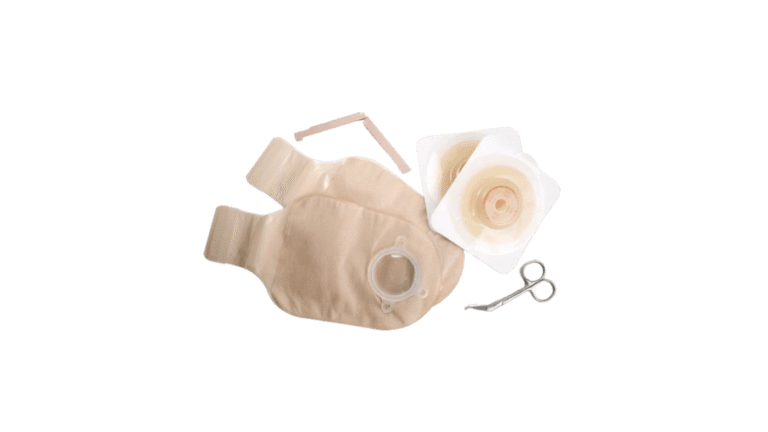
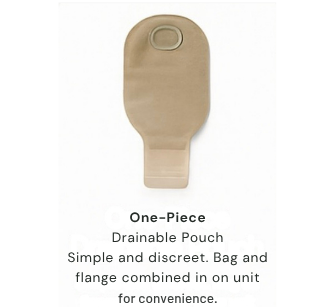
One-Piece Ostomy Systems
With a one-piece system, the pouch and skin barrier are attached together.
Most patients replace the entire system every 3 to 5 days, although some may need to change it sooner depending on activity level, sweating, or output.
Two-Piece Ostomy Systems
A two-piece system allows the pouch to be removed while the skin barrier remains in place.
Typically:
- The pouch may be replaced more frequently if needed.
- The skin barrier is generally changed every 3 to 7 days, depending on wear time and skin condition.
Your healthcare provider will recommend the schedule that works best for your situation.
Factors That Affect How Often You Should Change Your Ostomy Bag
Several factors influence wear time.
Type of Ostomy
Patients with a:
- Colostomy
- Ileostomy
- Urostomy
may have different replacement schedules because output consistency varies between ostomy types.
Amount of Output
Higher output can shorten the life of the adhesive barrier.
Patients with frequent or liquid output often need to monitor the seal more closely.
Skin Sensitivity
People with sensitive skin may require specialized barriers or more frequent assessment to prevent irritation.
Climate and Activity Level
Heat, humidity, exercise, and sweating may reduce adhesive performance, making earlier pouch changes necessary.
Signs It’s Time to Change Your Ostomy Bag
Don’t wait for a leak before changing your pouch.
Common signs include:
- Loose edges around the barrier
- Skin irritation
- Itching or burning
- Odor despite an empty pouch
- Visible leakage
- Damaged adhesive
- Discomfort around the stoma
If any of these occur, changing the pouch promptly helps prevent skin damage.
How Often Should You Empty an Ostomy Bag?
Emptying and changing are different.
Most healthcare providers recommend emptying the pouch when it is one-third to one-half full.
Allowing it to become too full increases:
- Weight on the adhesive
- Risk of leaks
- Odor
- Skin irritation
Regular emptying helps the pouch remain secure between changes.
Tips for Easier Ostomy Bag Changes
Developing a routine can make pouch changes quicker and more comfortable.
Helpful tips include:
Gather Supplies First
Have all necessary ostomy care products ready before removing the old pouch.
These may include:
- New pouch
- Skin barrier
- Adhesive remover
- Skin barrier wipes
- Measuring guide (if needed)
- Disposal bag
Clean the Skin Gently
Use warm water or products recommended by your healthcare provider.
Avoid harsh soaps that leave residue and reduce adhesion.
Check the Skin
Look for:
- Redness
- Rash
- Open areas
- Swelling
- Changes around the stoma
Early identification of skin problems allows treatment before they worsen.
Apply the Barrier Carefully
Ensure the opening fits closely around the stoma without exposing excess skin.
A secure seal helps prevent leakage and extends wear time.
Common Mistakes to Avoid
Many new ostomy patients unknowingly shorten pouch wear time.
Avoid:
- Waiting until a leak develops
- Overfilling the pouch
- Using products not recommended by your healthcare provider
- Applying barriers to damp skin
- Pulling the pouch off too quickly
- Ignoring skin irritation
Small adjustments can significantly improve comfort.
Insurance Coverage for Ostomy Supplies
Many insurance plans cover medically necessary ostomy care products when prescribed by a healthcare provider.
Coverage may include:
- Ostomy pouches
- Skin barriers
- Barrier rings
- Adhesive removers
- Skin protection products
- Accessories
The number of supplies covered each month depends on your insurance plan and medical needs.
An experienced medical supply provider can help verify benefits, coordinate documentation, and assist with ongoing supply management.
Maintaining a Regular Supply of Ostomy Products
Running out of supplies can create unnecessary stress.
Patients often benefit from:
- Monitoring inventory regularly
- Ordering refills before supplies run low
- Keeping extra supplies available for travel or emergencies
- Updating prescriptions before they expire
Consistent access to quality ostomy supplies helps support daily independence.
Why Local Experience Matters in Brooklyn
Managing an ostomy is easier when you have reliable access to quality supplies and knowledgeable support. Working with an experienced medical supply provider can simplify insurance verification, prescription management, and recurring deliveries for medically necessary ostomy products.
For patients throughout Brooklyn and New York City, dependable access to ostomy care products helps support consistent daily care while reducing interruptions caused by delayed approvals or supply shortages. Galaxy Medical Supply assists patients with insurance-covered ostomy supplies, documentation requirements, and home delivery. If you have questions about product selection, insurance eligibility, or ongoing supply needs, our team can provide guidance throughout the process.
Frequently Asked Questions
1. How often should an ostomy bag be changed?
Most ostomy bags are changed every 3 to 5 days, while skin barriers in two-piece systems may last 3 to 7 days, depending on the product and your healthcare provider’s recommendations.
2. How often should I empty my ostomy bag?
It’s generally recommended to empty the pouch when it is about one-third to one-half full to reduce pressure on the adhesive and help prevent leaks.
3. Can I wear an ostomy bag longer than recommended?
Wearing a pouch beyond its recommended wear time may increase the risk of leaks, skin irritation, and damage to the adhesive seal.
4. What causes an ostomy bag to leak?
Leaks may occur because of poor adhesive contact, incorrect barrier sizing, excessive moisture, overfilled pouches, or worn-out pouching systems.
5. Does insurance cover ostomy supplies?
Many insurance plans cover prescribed ostomy supplies when they are medically necessary and supported by the required documentation.
6. Should I change my ostomy bag if it isn’t leaking?
Yes. Following a regular replacement schedule helps protect the skin and reduces the chance of unexpected leaks.
7. Where can patients in Brooklyn get ostomy supplies?
Patients in Brooklyn can work with experienced medical supply providers that offer insurance verification, quality ostomy care products, and convenient home delivery to support ongoing ostomy management.