Home Wound Care Tips for Seniors
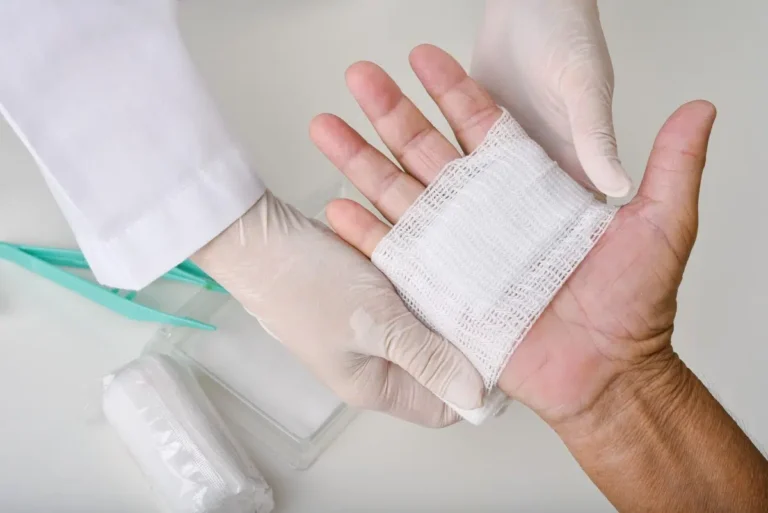
Caring for a wound at home can be challenging for seniors, especially when movement is limited, vision is reduced, or a caregiver is responsible for daily dressing changes. Having the right wound care supplies and following the healthcare provider’s instructions can make routine care more organized and help protect the wound and surrounding skin.
For seniors recovering at home in Brooklyn, wound care may involve regular dressing changes, keeping the area clean and protected, monitoring the wound, and making sure supplies do not run out. The exact care routine depends on the type of wound and the treatment plan provided by the healthcare professional.
This guide focuses on practical steps seniors and caregivers can use when managing wound care at home.
Why Proper Home Wound Care Matters
A wound needs appropriate protection while the body works to repair damaged tissue. How a wound should be treated depends on its cause, depth, location, drainage, and the person’s overall health.
Some wounds may result from surgery, injury, pressure, or chronic conditions. Others may take longer to heal and require ongoing dressing changes.
For seniors, maintaining a consistent routine is particularly important. Missing dressing changes, using the wrong supplies, or allowing the wound to remain exposed to excessive moisture can create additional problems.
Home wound care should always follow the instructions provided by the patient’s doctor, nurse, or wound care specialist.
Follow the Wound Care Instructions Carefully
The first step is to understand exactly what the healthcare provider has recommended.
Ask the healthcare professional:
- How often should the dressing be changed?
- Which dressing should be used?
- Should the wound be cleaned before each dressing change?
- What should be used to clean it?
- Should a barrier or protective product be applied?
- How should used dressings be disposed of?
- What changes should be reported?
- When is the next follow-up appointment?
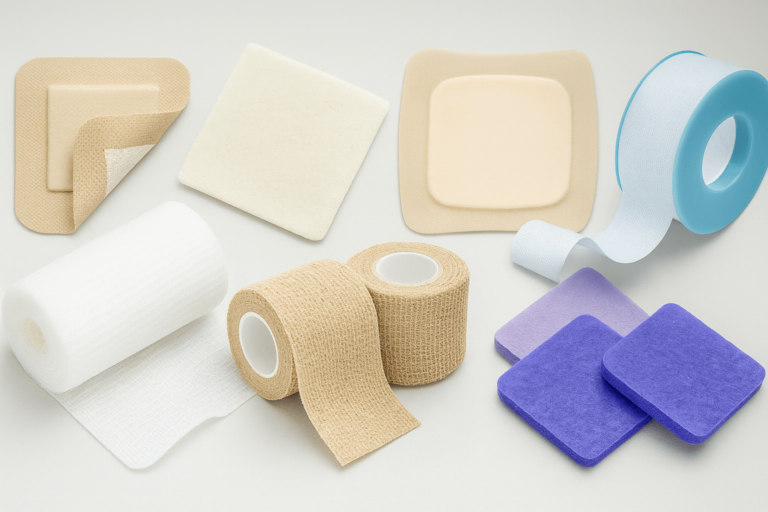
Do not replace a prescribed dressing with another product simply because it is available at home.
Different wounds require different types of protection. A dressing appropriate for one wound may not be appropriate for another.
Wash Your Hands Before and After Wound Care
Hand hygiene is one of the simplest steps caregivers and seniors can take during wound care.
Wash your hands before preparing supplies and again after the dressing change. If the healthcare provider has recommended gloves, use them as instructed.
Before beginning, place all necessary supplies within easy reach.
This avoids having to leave the wound exposed while searching for another item.
A basic setup may include the prescribed dressing, gauze if instructed, gloves, skin protection products if recommended, and a clean disposal bag.
Keep Wound Care Supplies Organized
Seniors who receive ongoing treatment may use several products during each dressing change.
Keeping supplies together can make the process easier and reduce the chance of forgetting an important item.
Choose a clean, dry storage location away from excessive heat and moisture. Keep products in their original packaging until they are needed, unless the product instructions state otherwise.
Caregivers should check supplies regularly.
Running out of an important dressing can disrupt the wound care routine, particularly when the patient depends on recurring insurance-covered supplies.
Patients searching for wound care supplies in Brooklyn may benefit from planning refills before their current supply is nearly finished.
Change Dressings According to the Care Plan
Not every wound dressing needs to be changed at the same frequency.
Some dressings are designed to remain in place longer than others. The appropriate schedule depends on the wound and the product prescribed by the healthcare provider.
Do not change a dressing more frequently than recommended simply because it looks different from a normal bandage.
Likewise, do not leave a dressing in place longer than instructed.
If the dressing becomes wet, heavily soiled, loose, or saturated, follow the provider’s instructions regarding what to do.
When in doubt, contact the healthcare professional managing the wound.
Protect the Skin Around the Wound
The skin surrounding a wound can become irritated from moisture, drainage, adhesives, or repeated dressing changes.
When a healthcare provider recommends a skin barrier or protective product, use it according to the instructions.
Be careful when removing adhesive dressings. Pulling too aggressively can damage fragile skin, which is particularly important for older adults.
If the surrounding skin becomes increasingly red, painful, swollen, or irritated, contact the patient’s healthcare provider.
Do not assume that all redness is simply irritation from the dressing.
Avoid Touching the Wound Unnecessarily
Once the wound has been cleaned and prepared according to the care plan, avoid unnecessary contact.
The wound should be handled only as instructed by the healthcare professional.
Caregivers should also avoid placing unapproved creams, powders, household products, or other substances on the wound.
A product being safe for ordinary skin does not necessarily mean it is appropriate for an open wound.
Watch for Changes in the Wound
Regular observation is an important part of home wound care.
Seniors and caregivers should pay attention to changes in:
- Wound size
- Color
- Drainage
- Odor
- Swelling
- Pain
- Surrounding skin
- Bleeding
- Temperature of the surrounding skin
It can be helpful to keep notes about changes so the healthcare provider has accurate information during follow-up appointments.
If the wound appears to be getting worse rather than improving, contact the healthcare professional.
Know the Warning Signs of Possible Infection
A wound that is becoming increasingly painful, red, swollen, warm, or draining may require medical evaluation.
Other concerning changes can include:
- Increasing or spreading redness
- Pus-like drainage
- Increasing swelling
- Worsening pain
- A new or worsening unpleasant odor
- Fever or feeling generally unwell
- Skin changes around the wound
These symptoms do not automatically mean that an infection is present, but they should not be ignored.
Seniors and caregivers should follow the healthcare provider’s instructions regarding when to call.
If symptoms are severe or the patient appears seriously ill, seek appropriate urgent medical attention.
Be Careful With Pressure on the Wound
Pressure can interfere with wound healing, particularly when the wound is located over an area that bears weight.
For seniors who spend significant time in bed or a chair, caregivers should follow the healthcare team’s recommendations for repositioning and pressure relief.
Do not place pressure directly on a wound unless specifically instructed.
A healthcare professional may recommend positioning changes, support surfaces, cushions, or other strategies depending on the patient’s condition.
Keep the Patient’s Environment Safe
A clean and organized environment can make wound care easier.
Keep frequently used supplies in a location that is easy for the caregiver to access. Avoid storing wound care products in areas where they may become wet or contaminated.
Good lighting is also helpful.
For seniors with limited vision, dressing changes can be difficult. A caregiver may need to assist with identifying products, checking the wound, and completing the dressing change.
If the patient lives alone and wound care has become difficult, discuss the situation with the healthcare provider.
Nutrition and Hydration Can Be Part of Wound Care
Wound healing requires adequate nutrition and hydration.
Older adults sometimes eat less because of reduced appetite, difficulty preparing meals, medication effects, or other factors.
If a senior has a wound that is slow to heal, discuss nutrition with the healthcare provider. A doctor or qualified healthcare professional may recommend an appropriate dietary plan based on the patient’s individual needs.
Do not start supplements specifically for wound healing without discussing them with a healthcare professional, particularly when the patient takes medications or has other medical conditions.
Do Not Remove Stitches or Other Closure Materials Yourself
Some wounds involve stitches, staples, adhesive strips, or other closure materials.
These should be managed according to the healthcare provider’s instructions.
Do not attempt to remove stitches or staples at home unless the healthcare professional specifically instructs you to do so and provides the appropriate timing and method.
If a closure material becomes loose or falls out unexpectedly, contact the provider for guidance.
Make Sure You Have Enough Supplies
One of the most common practical problems with home wound care is running out of supplies.
If a patient requires daily or frequent dressing changes, calculate approximately how much is used each week and month.
This can help caregivers identify when a refill is needed.
For patients receiving insurance-covered wound care supplies, it is also important to understand the approved quantities and refill schedule.
Planning ahead can reduce the risk of having to search for supplies at the last minute.
How Insurance Can Help With Wound Care Supplies
Depending on the patient’s insurance plan, diagnosis, medical necessity, and documentation, certain wound care products may qualify for coverage.
Coverage requirements can vary significantly.
The healthcare provider may need to provide a prescription and supporting documentation explaining the patient’s wound and the supplies required.
The medical supply company may then verify insurance information and coordinate the supply request.
Patients should not assume that every wound care product is automatically covered. Eligibility, product type, quantity, and documentation can all affect coverage.
Getting Wound Care Supplies in Brooklyn
For seniors receiving wound care at home, reliable access to supplies is an important part of maintaining the prescribed care routine.
Galaxy Medical Supply helps patients and caregivers in Brooklyn coordinate medical supply needs, including wound care products and insurance-related supply requests.
Patients looking for a medical supply store in Brooklyn can contact Galaxy Medical Supply to discuss their supply needs, prescription requirements, and available insurance support.
For recurring wound care, arranging supplies before the current supply runs out can make home care easier for seniors and caregivers.
When Should a Senior Contact a Healthcare Provider?
A healthcare professional should be contacted when the wound changes in a concerning way or does not appear to be progressing as expected.
Contact the provider if there is:
- Increasing pain
- New or worsening redness
- Increasing swelling
- Significant changes in drainage
- Bleeding that does not stop as instructed
- New odor
- Wound separation
- Fever or other signs of illness
- A wound that appears to be getting worse
The healthcare provider can determine whether the wound needs to be examined or whether the care plan needs to be changed.
Do not wait for the next scheduled appointment when a significant change occurs.
Frequently Asked Questions
How often should a senior’s wound dressing be changed?
The correct frequency depends on the wound and the dressing prescribed. Some dressings need frequent changes, while others are designed to remain in place longer. Follow the healthcare provider’s instructions.
What wound care supplies should seniors keep at home?
The supplies depend on the wound and treatment plan. They may include prescribed dressings, gauze, gloves, skin protection products, and other wound care items recommended by the healthcare professional.
Are wound care supplies covered by insurance?
Some medically necessary wound care supplies may be covered depending on the patient’s insurance plan, diagnosis, prescription, documentation, and eligibility requirements.
What should I do if the wound starts looking worse?
Contact the healthcare provider managing the wound. Increasing redness, swelling, pain, drainage, odor, or other significant changes may require professional evaluation.
Can I put regular cream or ointment on an open wound?
Do not apply creams, ointments, powders, or other products unless they have been recommended for that wound by a healthcare professional.
How can caregivers make wound care easier for seniors?
Keep supplies organized, follow the prescribed dressing schedule, maintain hand hygiene, provide adequate assistance, monitor changes, and make sure replacement supplies are available before they run out.
Can seniors get wound care supplies delivered in Brooklyn?
Depending on eligibility, prescription requirements, insurance coverage, and the supplier’s service area, wound care supplies may be available through home delivery. Galaxy Medical Supply assists patients with wound care supply coordination in Brooklyn.
Conclusion
Home wound care for seniors requires consistency, organization, and attention to changes in the wound. Following the healthcare provider’s instructions, using the correct wound care products, protecting surrounding skin, and maintaining an adequate supply can make routine care easier for both seniors and caregivers.
It is equally important to recognize warning signs and contact the healthcare provider when the wound changes or does not appear to be healing as expected.
For seniors and caregivers in Brooklyn who need wound care supplies, Galaxy Medical Supply can help coordinate medically necessary supplies and support the insurance and refill process so patients can maintain their prescribed care routine at home.