
Preventing Wound Infections at Home
A wound needs careful attention while it heals. Whether it resulted from surgery, an injury, pressure, or another medical condition, proper care at home can help protect the wound from contamination and reduce problems during recovery.
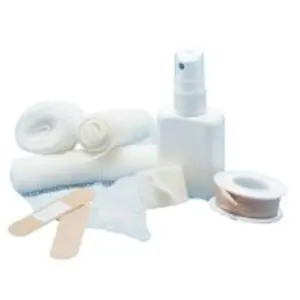
For seniors and other patients managing wounds at home, the process may involve regular dressing changes, cleaning the wound as instructed, protecting the surrounding skin, and watching for changes. Having the appropriate wound care supplies available can make it easier to follow the treatment plan consistently.
Preventing infection does not mean trying to treat a wound yourself. The most important step is to follow the instructions provided by your doctor, nurse, or wound care professional. If the wound develops concerning changes, contact the healthcare professional responsible for your care.
For patients in Brooklyn who require ongoing wound care, planning for supplies and refills can also help prevent interruptions in the prescribed routine.
Why Wound Infection Prevention Matters
A wound creates an opening in the skin, which normally helps protect the body from outside organisms. Until the wound heals, it requires appropriate protection and care.
Not every wound heals at the same rate. A small superficial wound may improve quickly, while a surgical wound, pressure-related wound, or deeper wound may require ongoing professional management.
The goal of home wound care is to support the treatment plan and protect the wound while it heals.
Infection prevention generally involves several practical habits:
- Washing hands before and after wound care
- Using the dressing recommended by the healthcare professional
- Keeping supplies clean and properly stored
- Changing dressings according to instructions
- Avoiding unnecessary touching of the wound
- Monitoring for changes
- Getting medical advice when warning signs appear
These steps are simple, but consistency matters.
Wash Your Hands Before Handling the Wound
Hand hygiene should be part of every dressing change.
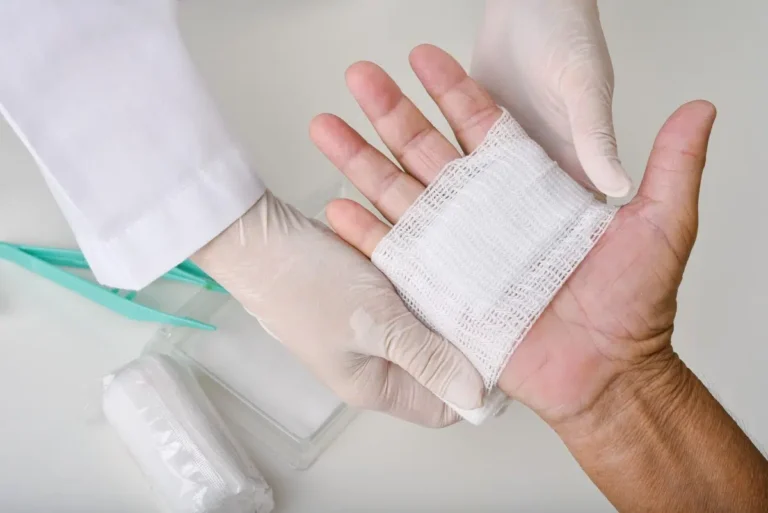
Wash your hands before preparing the wound care supplies and before touching the dressing or wound. Wash them again after completing the dressing change and disposing of used materials.
If a healthcare professional has instructed you to wear gloves, use them as directed.
Caregivers should be especially careful when moving between different tasks. For example, touching household surfaces, handling used dressings, and then touching clean supplies without washing the hands can transfer contaminants.
Keeping hand soap, clean towels, and necessary supplies readily available can make proper hand hygiene easier to maintain.
Prepare a Clean Area for Wound Care
Before changing a dressing, choose a clean, dry surface where the necessary supplies can be placed.
Avoid preparing wound care supplies on surfaces that are visibly dirty or wet.
It can help to gather everything before beginning, including:
- The prescribed dressing
- Gauze, if instructed
- Gloves, if recommended
- Skin protection products, if prescribed
- Disposal materials
- Any other items included in the patient’s wound care instructions
Having everything ready means you do not have to leave the wound unattended while searching for supplies.
Use the Wound Care Products Recommended for Your Wound
Different wounds can require different types of dressings.
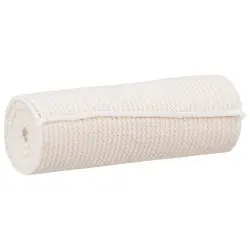
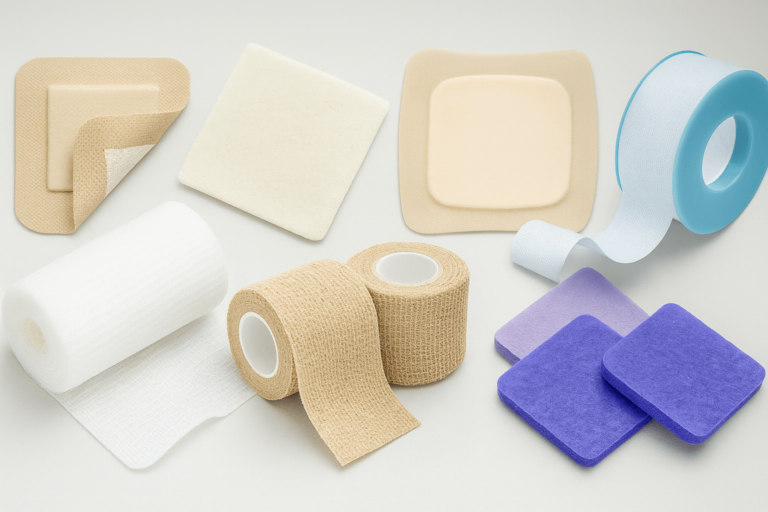
A healthcare provider may recommend gauze, adhesive dressings, foam dressings, hydrocolloid products, wound barriers, or other specialized supplies depending on the wound.
Do not assume that a dressing that worked for someone else is appropriate for your wound.
The dressing should match the wound and the treatment plan.
If you are unsure which product to use, contact the healthcare professional who is managing the wound.
Patients looking for wound care products in Brooklyn should also make sure that the supplies they receive match the prescription or treatment instructions provided by their healthcare professional.
Change Dressings as Instructed
Following the recommended dressing-change schedule is an important part of wound care.
Some dressings may need to be changed daily, while others may be designed to remain in place for a longer period. The appropriate schedule depends on the wound and the specific product.
Do not automatically change a dressing more often simply because you are concerned about infection. At the same time, do not leave a dressing in place longer than instructed.
If a dressing becomes wet, heavily soiled, loose, or saturated, follow the instructions provided by your healthcare professional.
When there is uncertainty, ask the provider rather than guessing.
Avoid Touching the Wound Unnecessarily
Once the wound has been cleaned and dressed according to the care plan, avoid touching it unnecessarily.
Repeatedly checking, pressing, rubbing, or exposing the wound can interfere with the dressing and introduce contaminants.
Caregivers should also avoid touching the wound directly unless their instructions specifically require it.
If the wound needs to be examined, follow the procedure provided by the healthcare professional.
Follow Instructions for Cleaning the Wound
Wound-cleaning instructions vary.
Some wounds may require cleaning with a specific solution or technique, while others may have different instructions.
Do not automatically use alcohol, hydrogen peroxide, iodine, or household antiseptics on an open wound unless specifically instructed by a healthcare professional.
Using the wrong product can irritate tissue or interfere with healing.
If you are unsure what should be used to clean the wound, ask the healthcare provider managing it.
Keep the Area Around the Wound Protected
The skin surrounding the wound can become irritated by drainage, moisture, adhesive products, or repeated dressing changes.
If a healthcare professional has recommended a skin barrier or protective product, use it according to the instructions.
Be particularly gentle when removing adhesive dressings from older adults or patients with fragile skin.
Do not pull aggressively.
If the skin becomes increasingly red, painful, blistered, or damaged, notify the healthcare provider.
Keep Wound Care Supplies Properly Stored
The condition of your supplies matters.
Store wound care products according to the manufacturer’s instructions. Keep them in a clean, dry location and protect them from excessive moisture.
Do not use supplies that are damaged, contaminated, or past their appropriate use date.
Keep packaging intact until the product is needed when the instructions call for sterile packaging.
For patients who use supplies regularly, keeping everything organized can also make dressing changes easier.
A dedicated storage area can help caregivers quickly identify what is available and what needs to be replaced.
Do Not Reuse Disposable Wound Care Supplies
Disposable wound care products should generally be used according to their intended purpose and then discarded.
Do not save used gauze or dressings for another dressing change.
Do not assume that a disposable product can be cleaned and safely reused.
If a patient is unsure whether a particular item is reusable, check the product instructions or ask the healthcare professional.
Dispose of Used Dressings Carefully
Used dressings and gloves should be handled according to the instructions provided by the healthcare team and applicable local requirements.
After removing a used dressing, avoid placing it on clean surfaces.
Prepare a disposal bag before starting the dressing change so used materials can be contained immediately.
Wash your hands after handling used dressings and completing wound care.
If the wound has significant drainage or the provider has given special disposal instructions, follow those instructions carefully.
Avoid Scratching or Picking at the Wound
Itching can occur as a wound heals, but scratching or picking at the area can damage healing tissue.
If the wound or surrounding skin is itchy, painful, or irritated, tell the healthcare provider.
The cause may need to be evaluated, particularly if the symptoms are increasing.
Do not remove scabs, dressings, stitches, staples, or other wound materials unless instructed to do so.
Keep Pressure Off the Wound When Appropriate
Pressure can be a concern for certain wounds, particularly wounds located over areas that regularly come into contact with a bed, chair, or other surface.
If the healthcare team has provided instructions for repositioning or pressure relief, follow them carefully.
Patients who spend long periods in bed or a chair may need a specific care plan to reduce pressure on vulnerable areas.
Do not improvise positioning methods without discussing them with the healthcare professional managing the wound.
Watch the Wound Every Day
Monitoring the wound can help you notice changes early.
During routine care, pay attention to:
- Increasing redness
- New or worsening swelling
- Increasing pain
- Changes in drainage
- Pus-like discharge
- New or worsening odor
- Changes in wound size
- Bleeding
- Changes in the surrounding skin
A wound does not necessarily look the same every day as it heals. What matters is whether the changes are consistent with the treatment plan.
If something looks significantly different or concerning, contact the healthcare provider.
Know the Warning Signs of Infection
Some changes can indicate that a wound needs medical evaluation.
Possible warning signs include increasing redness around the wound, increasing warmth or swelling, worsening pain, pus-like drainage, or a new unpleasant odor.
A fever or feeling generally unwell can also be concerning.
These symptoms do not automatically confirm an infection, but they should not be ignored.
If the patient has a healthcare provider managing the wound, contact that provider for guidance.
Seek urgent medical attention when symptoms are severe or the patient appears seriously ill.
Do Not Wait Until Supplies Run Out
Preventing wound problems also means maintaining a consistent supply of the products required by the treatment plan.
Patients who need regular dressing changes can use supplies quickly.
Running out of a prescribed dressing may lead to unnecessary interruptions or force a caregiver to look for an alternative product at the last minute.
If you receive insurance-covered wound care supplies, understand your approved quantities and refill schedule.
Planning refills before supplies are nearly exhausted can make ongoing care easier.
How Insurance Can Help With Wound Care Supplies
Depending on the patient’s insurance plan and medical circumstances, certain wound care supplies may qualify for coverage.
Coverage can depend on medical necessity, the patient’s diagnosis, prescription requirements, documentation, product type, quantity, and insurance eligibility.
Patients should not assume that every dressing or wound care product is automatically covered.
A healthcare provider may need to document the wound and the supplies required for treatment.
The medical supply company may then verify insurance information and coordinate the supply request.
For patients who need recurring supplies, keeping prescription and insurance information current can help reduce avoidable delays.
Getting Wound Care Supplies in Brooklyn
Patients recovering at home in Brooklyn may need a dependable source for wound care supplies, especially when dressing changes are required regularly.
Galaxy Medical Supply helps patients and caregivers coordinate medically necessary wound care supplies and supports the insurance process when applicable.
Patients searching for a medical supply store in Brooklyn can contact Galaxy Medical Supply to discuss their wound care supply needs, prescription requirements, and available delivery or refill options.
Having the appropriate supplies available at home can make it easier to follow the wound care plan provided by the healthcare professional.
When Should You Contact Your Healthcare Provider?
Contact your healthcare provider if you notice a significant or worsening change in the wound.
Examples include:
- Increasing pain
- Spreading redness
- Increased swelling
- Pus-like drainage
- New or worsening odor
- Fever
- Bleeding that does not stop as instructed
- Wound edges separating
- A wound that appears to be getting larger or deeper
- Any change that concerns you
Do not wait until the next routine appointment if the wound appears to be deteriorating.
Your healthcare provider can determine whether the wound needs to be examined or whether the treatment plan needs to change.
Frequently Asked Questions
How can I prevent a wound infection at home?
Follow the wound care plan provided by your healthcare professional. Wash your hands before and after dressing changes, use the recommended supplies, keep the wound protected, store supplies properly, and monitor the wound for concerning changes.
Should I clean a wound every day?
Not every wound should be cleaned on the same schedule. Follow the instructions provided by your healthcare professional. The type of wound and dressing can affect how often cleaning and dressing changes should occur.
Can I use hydrogen peroxide or alcohol on an open wound?
Do not use these products on an open wound unless your healthcare professional specifically recommends them. Some substances can irritate tissue or interfere with healing.
What are the signs of a possible wound infection?
Possible warning signs include increasing redness, swelling, warmth, pain, pus-like drainage, unpleasant odor, fever, or feeling generally unwell. Contact the healthcare provider if these symptoms develop.
How often should wound dressings be changed?
The schedule depends on the wound and dressing. Some dressings require daily changes, while others can remain in place longer. Follow the treatment instructions provided by your healthcare professional.
Are wound care supplies covered by insurance?
Some medically necessary wound care supplies may be covered depending on the patient’s insurance plan, eligibility, diagnosis, prescription, documentation, and other requirements.
Can I get wound care supplies delivered in Brooklyn?
Depending on eligibility, insurance requirements, product availability, and service area, wound care supplies may be available through delivery. Galaxy Medical Supply assists patients with wound care supply coordination in Brooklyn.
Conclusion
Preventing wound infections at home starts with consistent, appropriate wound care. Simple habits such as washing your hands, using the recommended dressing, keeping supplies clean and properly stored, following the dressing-change schedule, and monitoring the wound can help support safe home care.
It is equally important to recognize changes that may require professional attention. Increasing pain, redness, swelling, drainage, odor, fever, or other concerning symptoms should be discussed with the healthcare provider managing the wound.
For patients and caregivers in Brooklyn, maintaining an adequate supply of prescribed wound care supplies can make it easier to follow the treatment plan without unnecessary interruptions. Galaxy Medical Supply can help patients coordinate wound care supplies and understand the insurance and refill process when applicable.